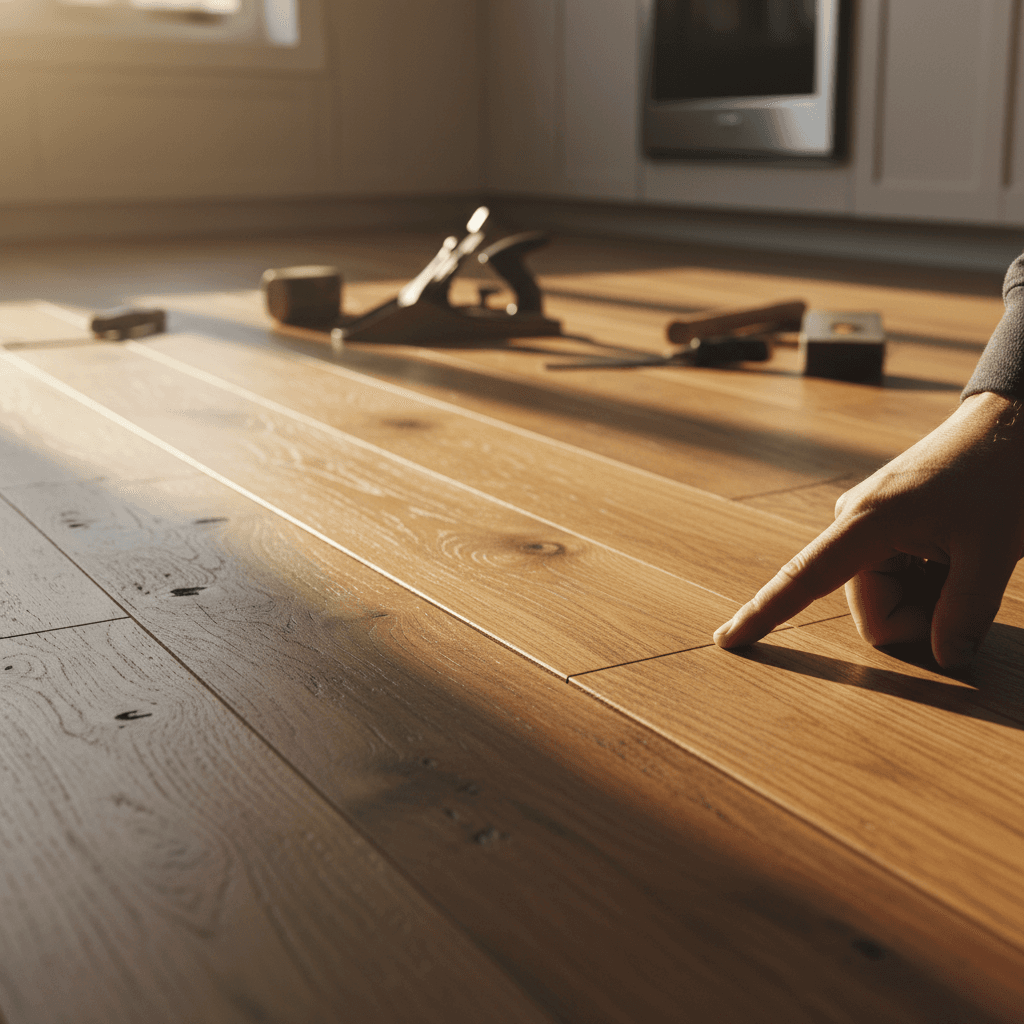
The best flooring for bathrooms includes porcelain tile and luxury vinyl plank because these materials offer total waterproof protection and high durability. While porcelain is a traditional champion for its water resistance, modern luxury vinyl provides a comfortable, non-slip surface that is ideal for both large and small bathroom spaces.
Selecting the ideal bathroom flooring for your Carbon County home often feels like a balancing act between aesthetic appeal and long term structural integrity. The relentless combination of high humidity and standing water can compromise inferior materials, which leads to costly subfloor damage or dangerous mold growth. At Keiths Flooring, we believe that your surface should be as resilient as it is beautiful. This guide examines the critical distinctions between waterproof and water resistant options, while highlighting the specific benefits of porcelain tile and modern luxury vinyl plank. You will also discover how to prioritize non-slip safety for your family and why professional subfloor preparation is the foundation of a lasting installation.
Why Bathroom Flooring Matters in Carbon County Homes
In Carbon County, the bathroom floor is often the hardest-working surface in the home. Local homeowners deal with dramatic seasonal temperature shifts, ranging from sub-zero winters to scorching summer afternoons. These fluctuations, combined with the high-traffic nature of busy Utah households, put immense pressure on flooring materials. Finding the best flooring for bathrooms in our region requires a careful balance between 100% waterproofing, slip resistance, and aesthetic appeal.
Standard flooring choices that work in dry areas simply won't suffice here. A bathroom floor must withstand steam, standing water, and heavy foot traffic without warping or becoming a safety hazard. While there are many professional flooring services available to help navigate these choices, most homeowners in Price and the surrounding areas narrow their search down to two heavy hitters: porcelain tile and luxury vinyl plank (LVP).
Porcelain offers a classic, dense barrier against moisture, while modern LVP provides a softer, warmer feel that many find appealing during cold Utah mornings. Selecting between them depends on your specific needs for durability and comfort. A detailed tile vs vinyl plank flooring comparison can help clarify which material suits your home's unique demands. To see how these materials look in local homes, you can view our flooring portfolio.
Waterproofing 101: Understanding 100% Waterproof vs Water Resistant
Understanding the technical distinction between "100% waterproof" and "water resistant" is the most important step in choosing the best flooring for bathrooms. While these terms are often used interchangeably in marketing, they represent very different performance levels. Water resistant materials are designed to withstand spills for a short duration; however, they eventually absorb moisture. Laminate is the most common example of this. Its compressed wood core will swell and delaminate if water sits in the seams or leaks from a shower, making it a risky choice for high moisture areas.
In a full bathroom, 100% waterproof materials like luxury vinyl plank (LVP) and porcelain tile are significantly safer. These products are manufactured with non-porous cores that do not react to moisture. If a pipe leaks or a tub overflows, the material itself remains structurally sound. This level of protection is critical for Carbon County homes where seasonal humidity shifts cause subfloors to expand and contract. If a floor only offers resistance, vapor or liquid can seep through and trap moisture against the subfloor. This often leads to rot or mold growth before you notice any issues on the surface.
Feature | Water Resistant | 100% Waterproof |
|---|---|---|
Common Materials | Traditional Laminate, Treated Hardwood | LVP, Porcelain, Ceramic |
Core Composition | Wood fibers or fiberboard | Stone polymer or PVC |
Reaction to Standing Water | Swelling and warping over time | No structural change |
Best Usage | Half baths or powder rooms | Full baths with showers and tubs |
Your flooring is the first line of defense, but it requires expert handling to be effective. We recommend reviewing professional flooring services to ensure every seam is tight. Proper selection prevents long-term damage to the bones of your property, especially in older homes in Price or Helper where subfloors may already be sensitive to environmental changes. To see how these waterproof materials perform in real world applications, you can view our flooring portfolio.
Porcelain and Ceramic Tile: The Timeless Champion for Utah Bathrooms
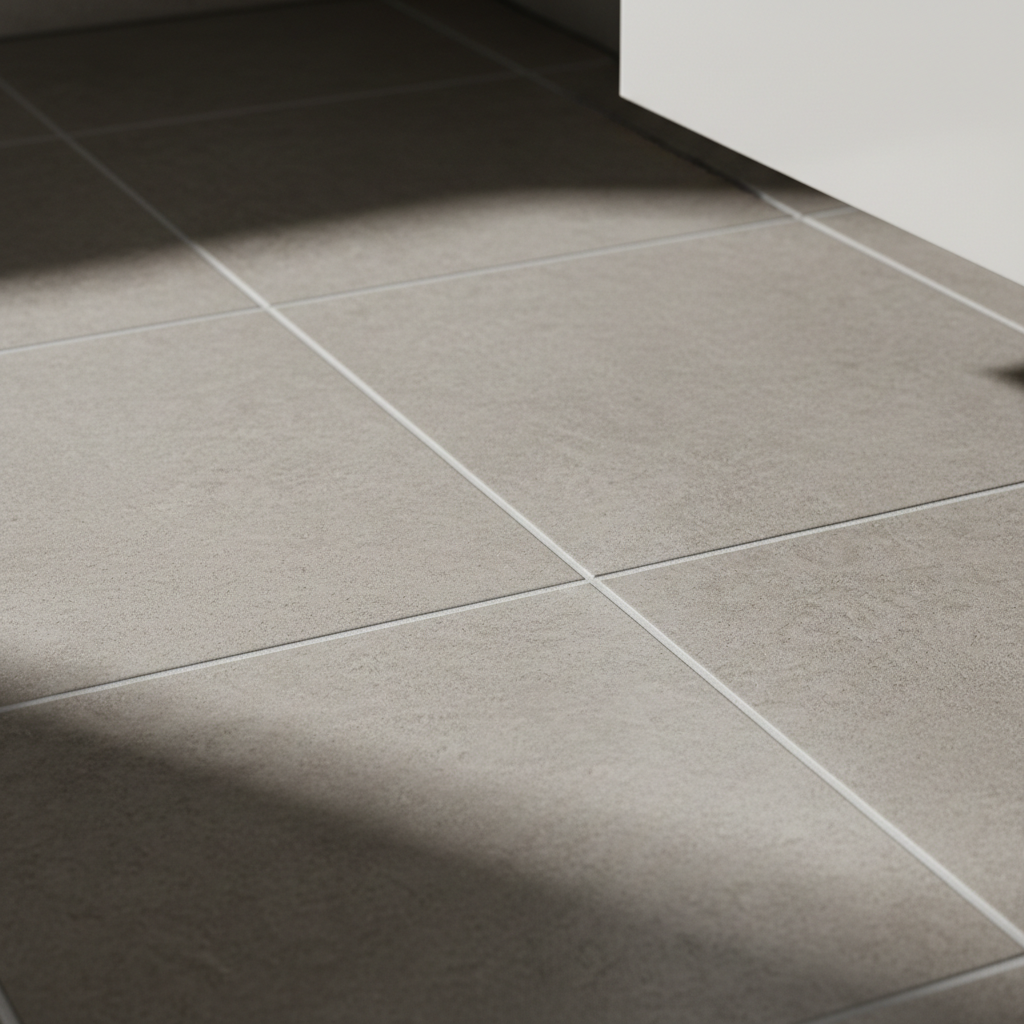
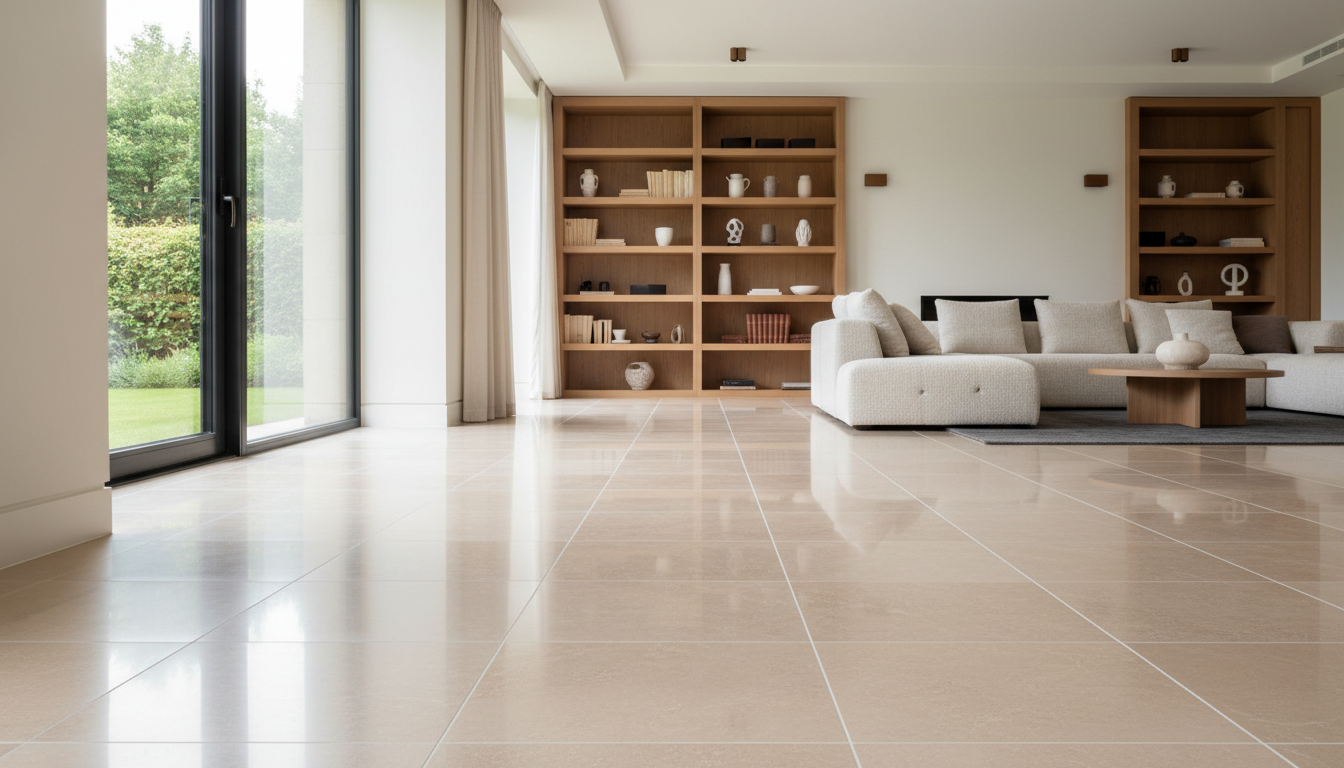
Tile remains the gold standard for Utah bathrooms, largely because it offers a level of permanence and resale value that other materials struggle to match. Its reputation as a timeless champion stems from its ability to stay in style for decades while resisting the scratches and wear that affect softer surfaces. For homeowners in Price or Helper looking for the absolute best flooring for bathrooms, the choice often comes down to choosing the right type of clay-based tile.
Feature | Ceramic Tile | Porcelain Tile |
|---|---|---|
Water Absorption | Higher (more porous) | Very Low (< 0.5%) |
Density | Moderate | High (fired at higher temps) |
Best Application | Walls or light-traffic floors | High-moisture floors and showers |
Durability | Good | Exceptional |
The primary technical difference lies in the density. Porcelain is fired at much higher temperatures than ceramic, resulting in a more vitrified, or glass-like, composition. This makes porcelain nearly impervious to water, with an absorption rate of less than 0.5 percent. In a high-moisture environment like a primary bathroom, this density prevents water from seeping into the body of the tile, which protects the bond to the subfloor. To understand how these technical specs impact your specific project, a tile vs vinyl plank flooring comparison can provide more context.
One of the most common complaints about tile in Carbon County is that it feels cold during our long winters. To solve this, we frequently install electric radiant heating systems directly beneath the tile layer. These systems turn a cold floor into a primary heat source for the room, making it much more comfortable for bare feet. This upgrade is especially effective with porcelain because the material retains and distributes heat evenly.
However, the longevity of a tile floor depends heavily on the quality of the grout. Grout is the most vulnerable part of the installation; if it is not mixed, applied, and sealed correctly, it can become a breeding ground for mold and mildew. Utilizing professional flooring services ensures that the grout joints are packed fully and treated to resist moisture penetration. You can view our flooring portfolio to see how various tile sizes and grout colors have been used to create clean, durable finishes in local homes.
Luxury Vinyl Plank (LVP): The Modern Waterproof Alternative
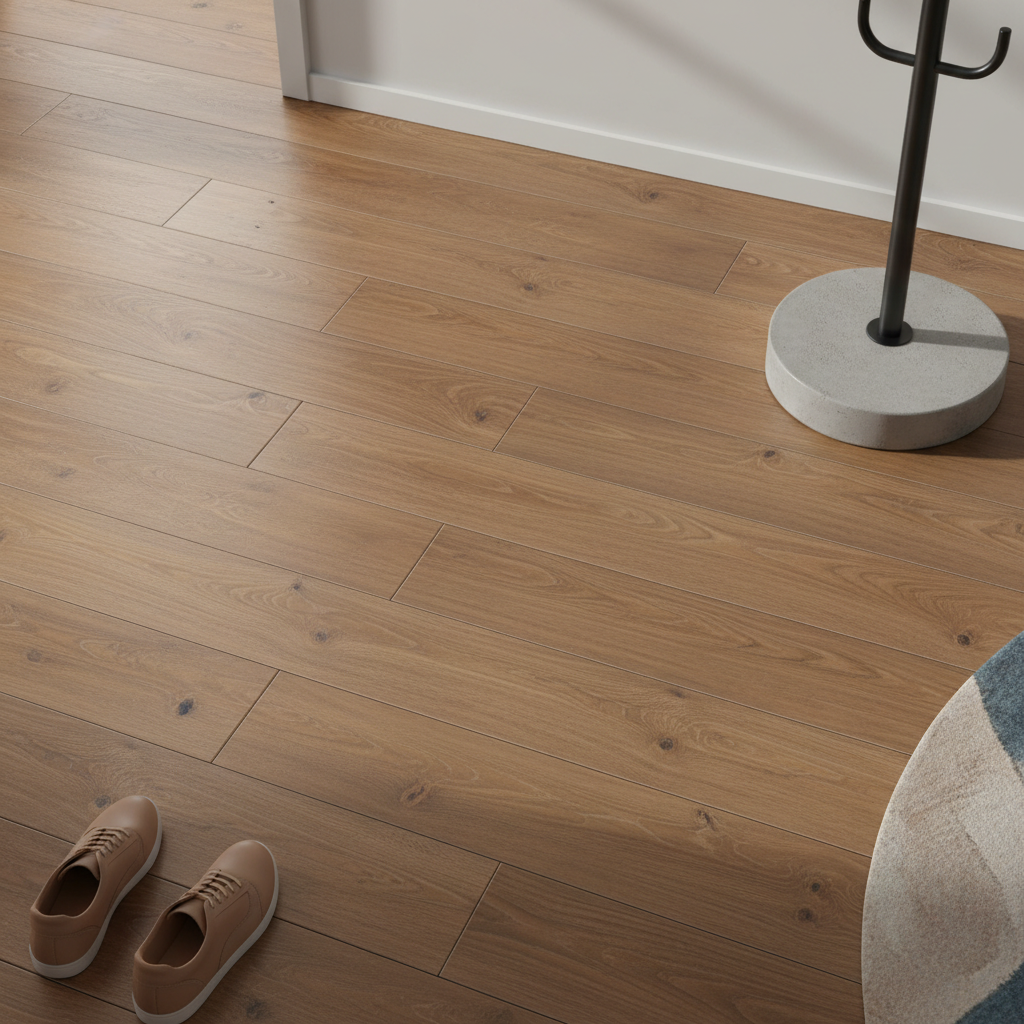
Luxury vinyl plank (LVP) has become the most sought-after alternative for homeowners in Carbon County who want a high-end look without the maintenance requirements of natural stone or the frigid temperature of ceramic. Unlike older sheet vinyl products, modern LVP features a rigid core, often made of stone polymer composite, which makes it incredibly stable. This material provides an ideal solution for those searching for flooring for bathrooms not tile, offering the realistic texture and visual warmth of hardwood without the risk of warping or rot in high-moisture environments.
One major advantage for Price residents is the comfort level underfoot. During the peak of a Utah winter, tile can feel like ice. LVP, especially varieties with pre-attached cork or foam backing, remains significantly warmer and offers a slight cushion that makes standing at a vanity much more comfortable. When weighing these benefits, a tile vs vinyl plank flooring comparison can help you decide if the softer feel of vinyl outweighs the traditional hardness of porcelain for your specific space.
A common concern we hear from property owners is, "Can mold grow under vinyl plank flooring?" The short answer is that while the vinyl itself is inorganic and mold-resistant, moisture trapped beneath the planks can lead to issues. This typically happens due to poor installation or hidden plumbing leaks rather than a failure of the material. To prevent this, we utilize moisture barriers and ensure the perimeter is properly caulked to keep water on top of the surface where it can be easily wiped away. You can view our flooring portfolio to see how these installations look when completed with precision.
Choosing LVP as the best flooring for bathrooms requires selecting a product with a substantial wear layer to handle the grit and dirt often tracked into Carbon County homes. By utilizing professional flooring services, you ensure that the locking mechanisms are engaged correctly, creating a 100% waterproof surface that stands up to daily life while protecting the structural integrity of your home.
Safety First: Selecting Non-Slip Flooring for Families and Seniors
Safety remains a top priority at Keiths Flooring, especially for households in Price and Helper with seniors or young children. When searching for the best flooring for bathroom non slip properties, the technical specifications of the material are more important than the color or pattern. For tile installations, we focus on the Dynamic Coefficient of Friction (DCOF) rating. To meet safety standards for wet level surfaces, a tile should have a DCOF rating of 0.42 or higher.
For elderly residents, we often recommend smaller mosaic tiles for the main floor and shower area. The smaller the tile, the more grout lines are present; these lines act as built in traction, providing significantly more grip than large format tiles. If you prefer the modern look of wood, textured luxury vinyl is an excellent alternative. High quality LVP features an embossed surface that mimics wood grain, offering a tactile grip that smooth sheets lack.
Flooring Option | Slip Resistance Mechanism | Safety Benefit |
|---|---|---|
Mosaic Tile | High density of grout joints | Superior traction for bare feet |
Textured LVP | Embossed-in-register (EIR) finish | Slip resistance with a warmer feel |
Matte Porcelain | Low-gloss, high-friction glaze | Durable and safe DCOF 0.42+ rating |
Selecting the right texture is a critical part of any tile vs vinyl plank flooring comparison for a home remodel. Our team integrates these safety considerations into our professional flooring services to ensure the finished product is as secure as it is beautiful. To see how we have balanced safety and style in local homes, you can view our flooring portfolio.
The Importance of Subfloor Preparation: Avoiding Common Installation Failures
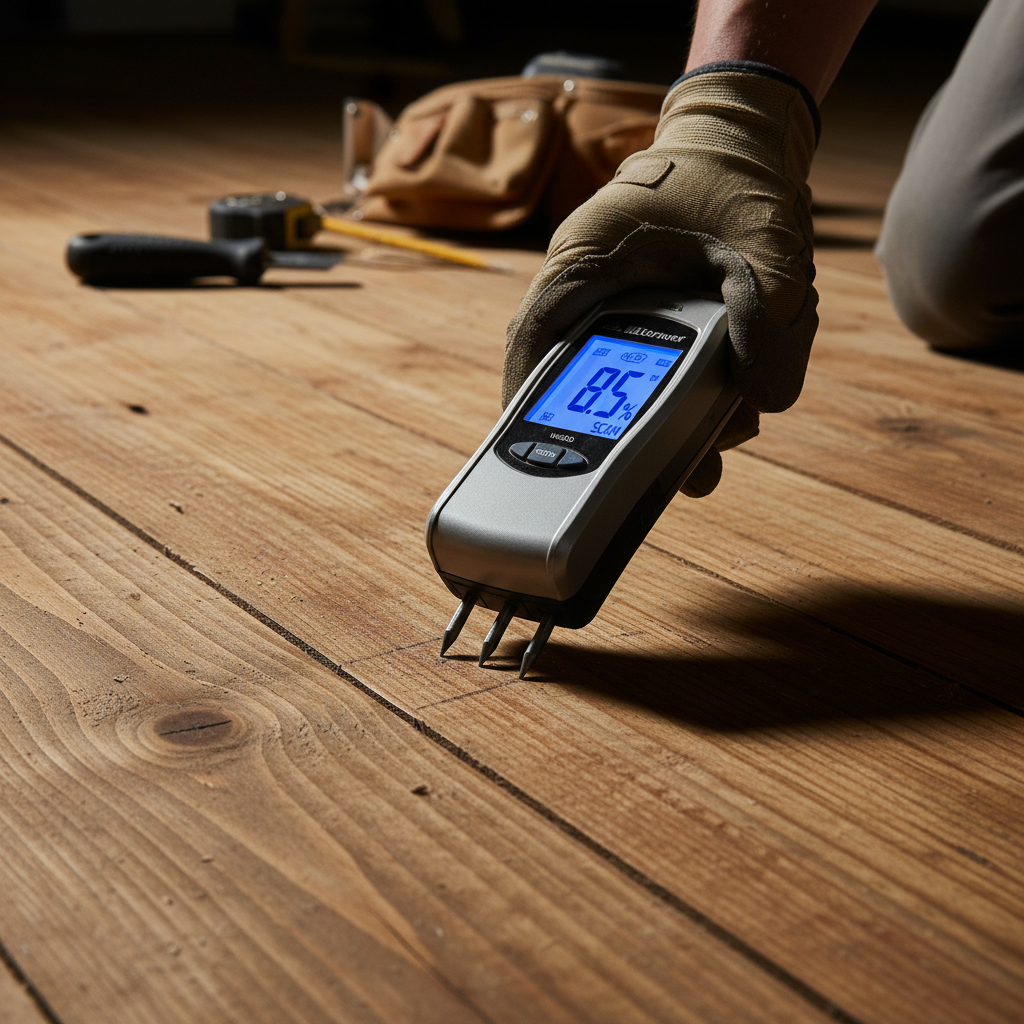
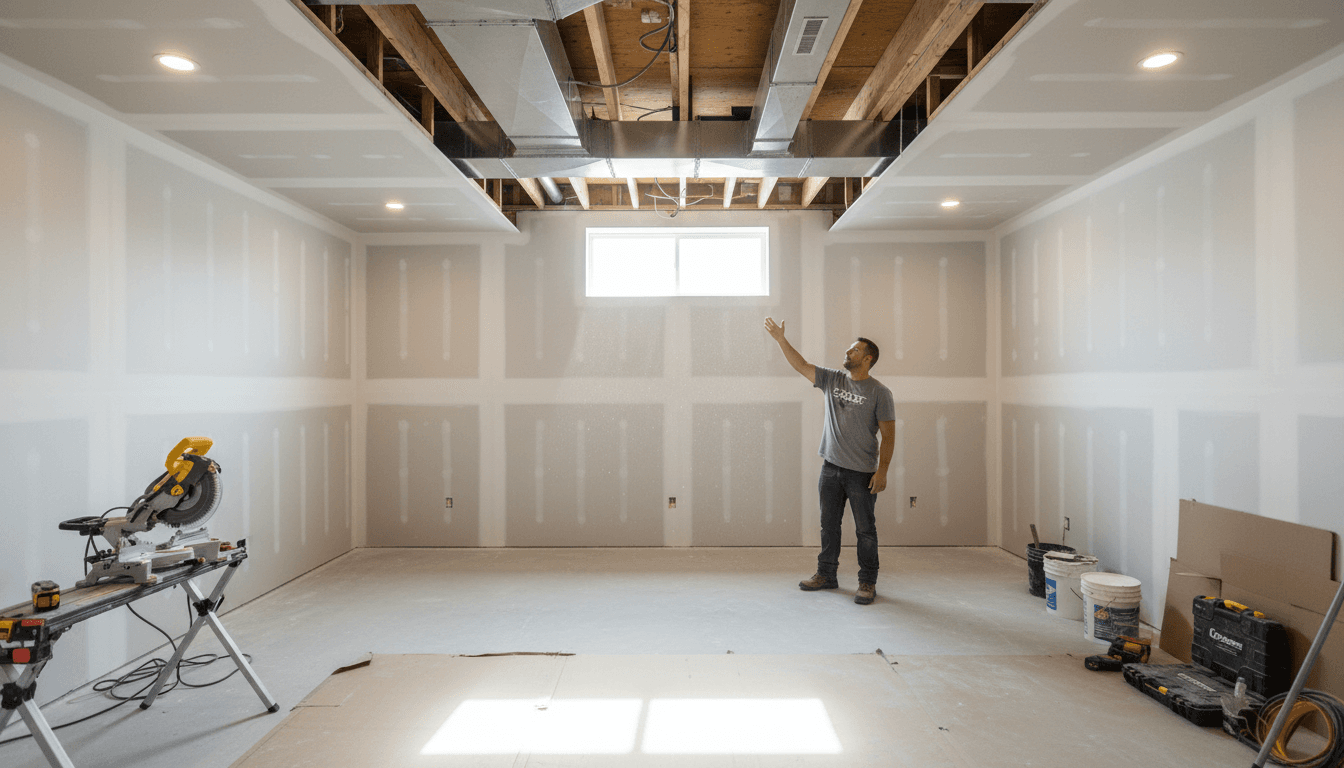
The technical success of any bathroom remodel relies entirely on what lies beneath the finished surface. While homeowners often focus on the aesthetics of the best flooring for bathrooms, the durability of the installation depends on subfloor preparation. In Carbon County, many click-system failures occur because luxury vinyl plank was installed over a surface that was not perfectly flat. When a subfloor has dips or humps, the locking mechanisms on the planks are forced to flex with every step. Over time, this stress causes the joints to snap, leading to gaps where water can seep through and damage the underlying structure.
Our team at Keiths Flooring prioritizes a rigorous inspection process for every project in Price and Helper. For LVP to perform as intended, the subfloor must typically be flat within 3/16 of an inch over a 10 foot radius. We address these discrepancies by grinding down high spots in concrete or applying high quality self leveling underlayments to fill low areas. In older Utah homes where wooden subfloors may have settled unevenly, this step is non-negotiable for a professional result.
Preparation Step | Purpose | Impact on Longevity |
|---|---|---|
Moisture Testing | Detects vapor emissions in concrete | Prevents adhesive failure and mold |
Leveling/Patching | Creates a perfectly flat foundation | Protects click-lock joints from snapping |
Subfloor Cleaning | Removes debris and old adhesive | Ensures a tight bond for underlayments |
Moisture testing is particularly critical for basement bathrooms or older properties where foundations may lack modern vapor barriers. We use specialized meters to check for high moisture vapor levels, which can cause flooring to shift or trap stagnant water beneath the surface. By integrating these technical checks into our professional flooring services, we ensure that your chosen material remains stable for years. You can view our flooring portfolio to see the results of our precision installations. Making the right choice between materials often starts with understanding your specific subfloor conditions, as detailed in our tile vs vinyl plank flooring comparison.
Selecting the ideal bathroom flooring in Carbon County involves finding the perfect balance between moisture resistance and slip prevention. Whether you choose durable luxury vinyl or timeless porcelain tile, making the right choice ensures a beautiful and safe space for your family. If you want expert help navigating these options or need a professional installation, we are ready to assist. You can explore our Services to see how we can help bring your vision to life with quality craftsmanship and local expertise.