The best waterproof basement flooring options include luxury vinyl plank, ceramic or porcelain tile, and waterproof laminate because these materials effectively resist moisture and prevent mold growth. While luxury vinyl plank is popular for its durability and ease of installation, ceramic tile offers an entirely waterproof surface ideal for areas prone to dampness. These selections provide homeowners with a long lasting solution that maintains its appearance despite the unique moisture challenges of a basement environment.
For many Carbon County homeowners, the basement represents untapped potential, yet the constant threat of moisture often keeps these spaces unfinished or perpetually damp. Dealing with a humid subfloor or the lingering fear of seasonal flooding can make choosing the right surface feel like a gamble. At Keiths Flooring, we understand that a basement floor must be more than just aesthetically pleasing; it must be a durable barrier against our region's specific environmental challenges. In this guide, we will evaluate the high performance of luxury vinyl plank and the timeless resilience of ceramic tile. We will also address the realities of waterproof laminate and the critical role of vapor barriers. By the end of this article, you will know exactly how to protect your investment and transform your lower level into a beautiful, worry-free living area.
Understanding the Unique Moisture Challenges in Carbon County Basements
Selecting the right waterproof basement flooring in Carbon County requires a different strategy than in other parts of the country. Residents in Price, Helper, and Wellington know that while our high desert climate feels dry, the ground beneath our homes tells a different story. Our local geology is characterized by clay heavy soils that expand and contract significantly. During the spring, seasonal runoff from the surrounding mountains saturates the ground, creating immense hydrostatic pressure. This pressure forces groundwater against your home's foundation and up through the microscopic pores of the concrete slab.
Homeowners often confuse topical spills, like a leaky washing machine or a spilled drink, with sub-slab moisture vapor. While a floor might be marketed as waterproof, that usually refers to the surface durability. In our region, the bigger threat is the moisture rising from underneath. This vapor drive can lead to trapped humidity, adhesive failure, or mold growth if the material and installation methods are not chosen specifically for these conditions.
At Keiths Flooring, we emphasize that a successful project starts with recognizing these unique environmental factors. Providing dependable flooring services means more than just laying down planks; it involves assessing how your specific lot handles runoff. Proper precise installation must account for the way moisture moves through the concrete in our unique climate. Understanding these local challenges ensures that the flooring you choose will remain durable and comfortable for years, regardless of what the soil is doing outside.
Luxury Vinyl Plank: The Most Popular Waterproof Basement Flooring
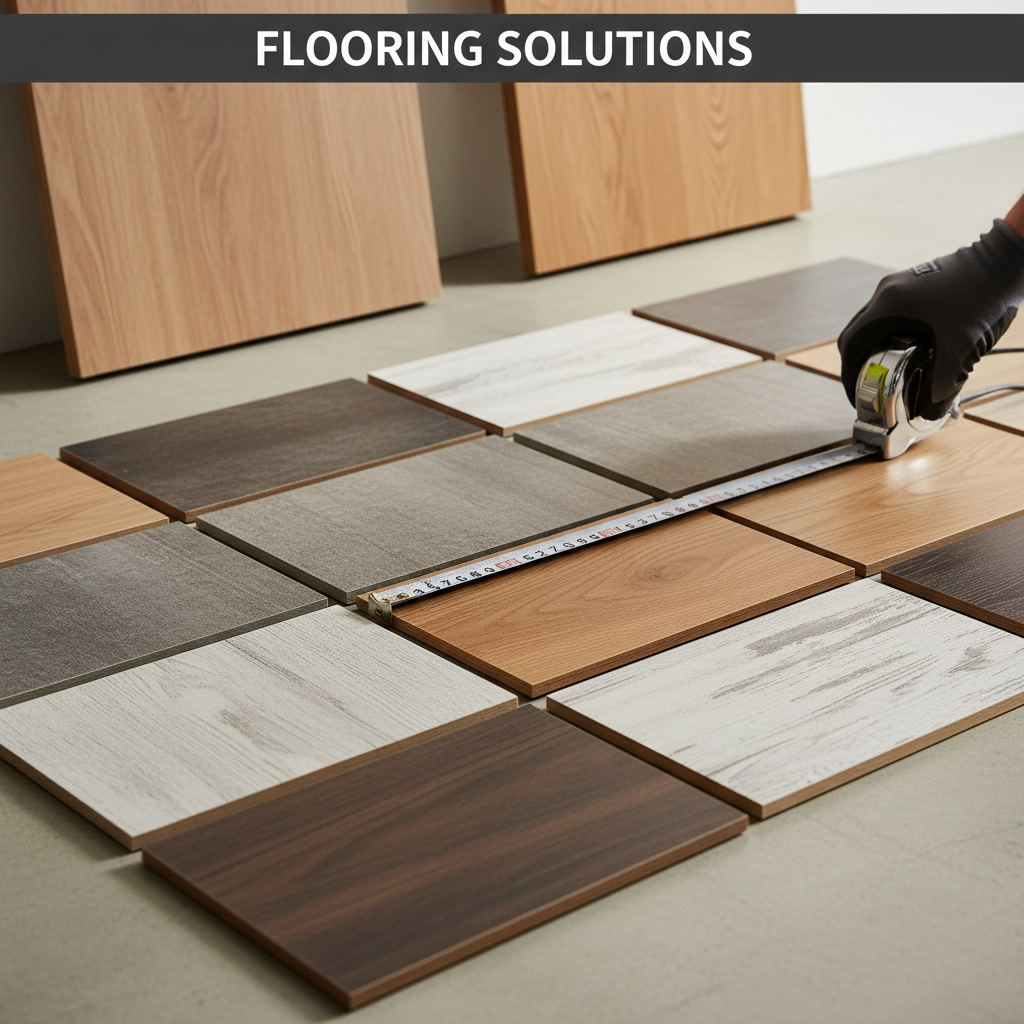
Luxury Vinyl Plank (LVP) has become the preferred choice for residents across Price and Helper because it addresses the specific environmental pressures of our region. The most effective versions for local basements feature a Stone Plastic Composite (SPC) core. This core is engineered from a mix of natural limestone powder, polyvinyl chloride, and stabilizers. Because it contains no wood fibers, the material is physically incapable of absorbing water, swelling, or warping. This rigidity is particularly beneficial for Carbon County homes, where the floor must remain stable despite the shifting moisture levels in the underlying concrete.
Homeowners frequently ask if waterproof vinyl plank flooring is truly waterproof. The answer requires a distinction between the material and the installation. While an SPC plank can be submerged in water for days without any change to its structural integrity, the floor is only as protective as its weakest point. A precise installation ensures that locking mechanisms are tight and perimeter expansions are properly handled. Even though the planks themselves won't fail, water can still migrate through seams or around baseboards if a flood occurs. This is why we focus on the entire flooring system rather than just the product.
Beyond its moisture resistance, LVP offers a significant comfort advantage during our cold Utah winters. Unlike ceramic tile, which conducts cold directly from the sub-slab, LVP is much warmer underfoot. The multi-layered construction provides a thermal break that makes a basement feel like a lived-in part of the home rather than a cold storage area. When combined with our dependable flooring services, LVP creates a durable surface that handles both the seasonal mountain runoff and the everyday needs of a busy household. It provides the aesthetic of natural wood without the risk of rot or water damage common in below-grade environments.
Ceramic and Porcelain Tile: The Gold Standard for Wet Areas
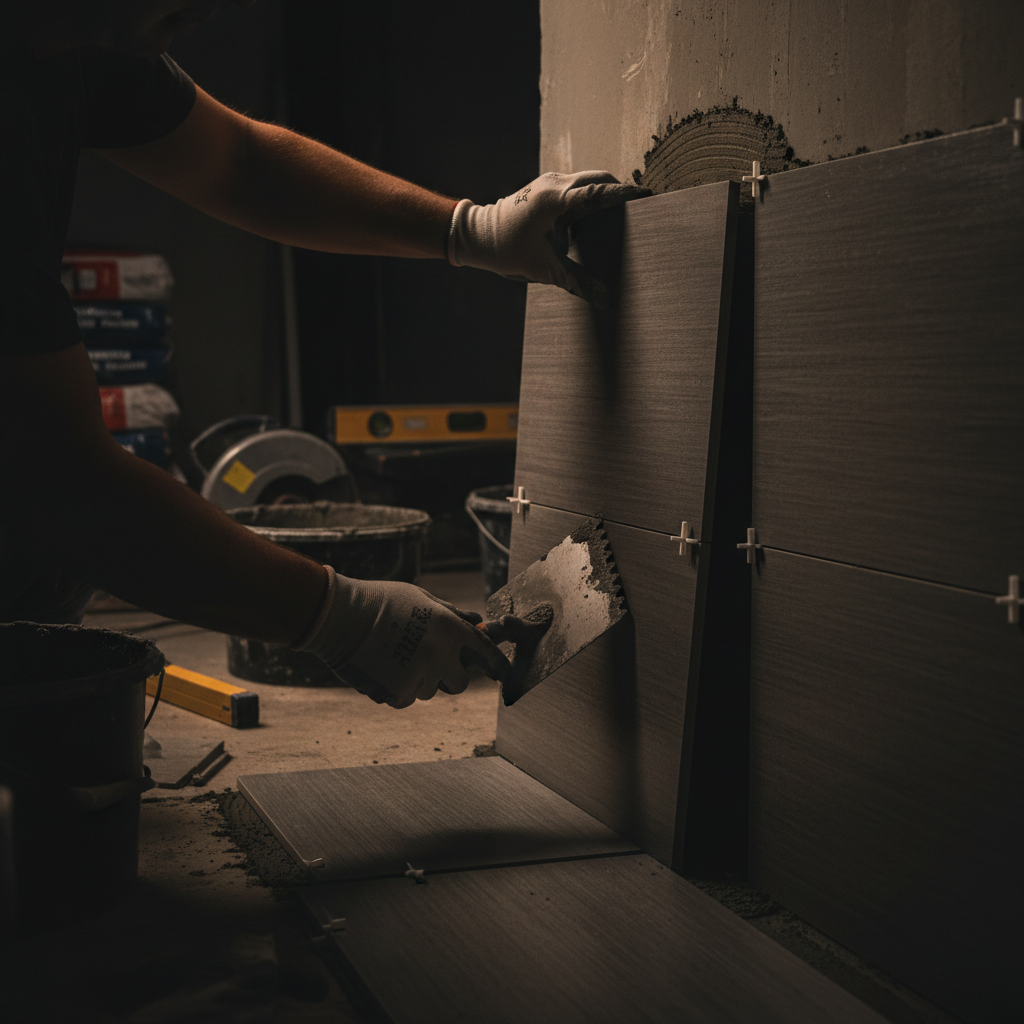
While LVP provides warmth and ease of installation, ceramic and porcelain tile remain the most technically advanced options for waterproof basement flooring. The resilience of these materials comes from the vitrification process, where clay is fired at temperatures exceeding 2,000 degrees Fahrenheit. This intense heat creates a dense, glass like crystalline structure that is physically incapable of absorbing water. For Carbon County homeowners dealing with significant hydrostatic pressure from seasonal mountain runoff, this density is a critical line of defense.
Choosing between ceramic and porcelain often comes down to the specific moisture profile of your basement. Porcelain is the superior choice for areas with higher moisture risks because it is fired at even higher temperatures and pressures than ceramic. This makes porcelain denser and gives it a water absorption rate of less than 0.5 percent. In the clay heavy soils of Price and Wellington, where moisture can linger against a slab, porcelain provides a level of imperviousness that other materials simply cannot match.
Feature | Ceramic Tile | Porcelain Tile |
|---|---|---|
Density | Moderate | High |
Water Absorption | < 7% | < 0.5% |
Best Use | Standard Basements | High Moisture Areas |
Durability | High | Extreme |
The success of a tile floor in a basement depends heavily on the setting materials. We use specialized modified thin-sets that bond aggressively to concrete and high performance grouts that resist moisture wicking. For local businesses, these dependable flooring services ensure that high traffic utility rooms or commercial kitchens in Carbon County remain sanitary and structurally sound for decades. A precise installation transforms a damp basement into a functional, permanent space that handles water without risk of rot or mold.
The Truth About Waterproof Laminate in High Humidity
For homeowners looking for a balance between cost and performance, waterproof laminate represents a middle ground that requires a nuanced understanding of its limitations. There is a significant technical difference between water resistant and waterproof laminate. Standard water resistant options only provide a temporary window to clean up surface spills before the moisture reaches the core. Modern waterproof laminate is engineered with tighter locking systems and treated edges that can often hold standing water on the surface for 24 to 72 hours without damage.
However, in the context of Carbon County geography, you must consider the source of the water. Because laminate uses a high density fiberboard (HDF) core, which is essentially compressed wood fibers, it remains susceptible to moisture rising from the concrete slab. While the surface might be protected from a leaky washing machine, a true flood or heavy hydrostatic pressure from spring runoff can saturate the planks from the bottom up. Once the HDF core absorbs significant moisture, it will inevitably swell and delaminate.
We recommend this as a budget friendly alternative for dry basements in Price or Helper that primarily need protection from topical accidents like pet messes or minor laundry room leaks. When paired with dependable flooring services, a precise installation ensures the perimeter expansion gaps are correctly sealed to prevent topical water from slipping behind the edges. For many local properties, this provides a cost effective way to achieve a high end look while maintaining a level of protection suitable for everyday life.
Essential Subfloor Preparation: Vapor Barriers and Moisture Testing
Choosing high quality waterproof basement flooring is only half the battle. If the subfloor is not properly prepared, even the most expensive SPC vinyl or porcelain tile can face issues. The most common cause of failure in Carbon County basements is not a surface spill, but moisture trapped between the concrete slab and the finished floor. When moisture vapor rises through the concrete and hits the bottom of a non porous floor, it has nowhere to go. This creates a sweating effect that provides a perfect breeding ground for mold and mildew, which can eventually lead to unpleasant odors and health concerns for your family.
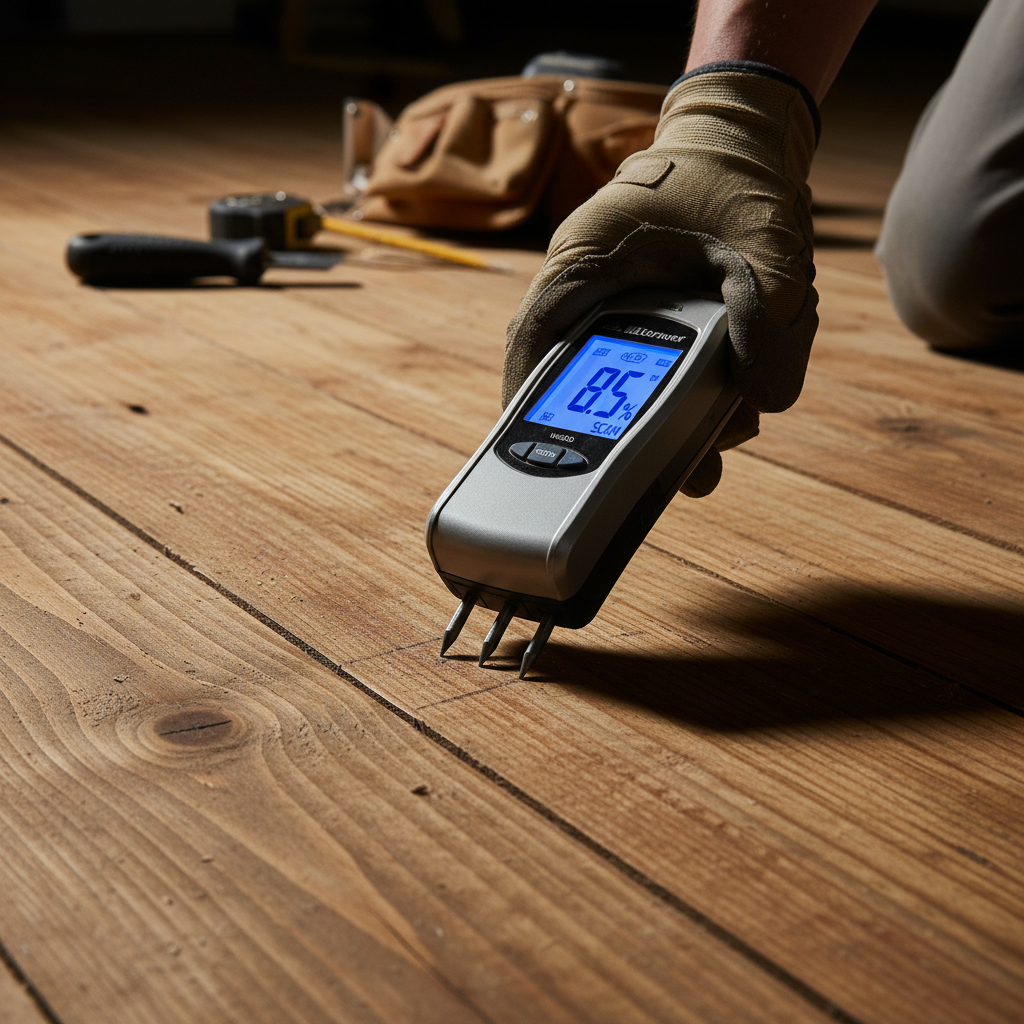
Before we begin any precise installation, we perform thorough moisture testing. Using a moisture meter allows us to measure the moisture content of the concrete slab accurately. We typically look for relative humidity (RH) levels within the manufacturer's specified range. If the readings are high, which is common in the clay heavy areas of Price and Helper, we must address the vapor drive before a single plank is laid. This step is vital because concrete is naturally porous, acting like a hard sponge that pulls water from the surrounding soil.
For floating floors like LVP or laminate, a 6-mil poly vapor barrier is a non negotiable component of a successful project. This thick plastic sheeting is laid directly over the concrete, with seams overlapped and taped to create a continuous shield. This barrier stops the upward migration of moisture vapor, protecting the locking mechanisms of your flooring and keeping the underside of the planks dry.
Preparation Step | Purpose | Required For |
|---|---|---|
Moisture Meter Testing | Measures slab humidity | All concrete subfloors |
6-Mil Poly Barrier | Blocks vapor drive | Floating LVP & Laminate |
Leveling Compound | Ensures flat surface | Large format tile & LVP |
Perimeter Sealing | Prevents edge seepage | High risk flood areas |
Skipping these steps is where many DIY projects and cut rate contractors fail. Our commitment to dependable flooring services means we prioritize these invisible layers that ensure your basement remains healthy and dry for the long term. Proper preparation ensures that the floor you see on the surface is supported by a foundation that can handle our local environmental pressures.
What Happens if Your Basement Floods with Vinyl Plank Flooring
Even with a high quality vapor barrier, an extreme event like a significant pipe failure or unusually heavy mountain runoff can lead to standing water. The primary question many homeowners ask is whether their waterproof basement flooring is ruined after a flood. The short answer is no; LVP is often salvageable if the water is clean. While carpet becomes a breeding ground for bacteria and traditional hardwood buckles beyond repair, SPC vinyl planks maintain their structural integrity even when fully submerged.
This resilience allows you to protect your investment rather than paying for a full replacement. However, you must act quickly to prevent moisture from being trapped against the concrete slab. If you are unsure about the state of your subfloor after an incident, you can contact Keiths Flooring for a professional assessment. Our team understands that a precise installation is only half the battle; knowing how to maintain and restore your floor after an emergency is just as vital.
Follow this protocol to save your flooring:
Remove all baseboards and trim to allow for plank removal.
Carefully unclick the planks, starting from the last row installed and working backward.
Use industrial fans and dehumidifiers to thoroughly dry the concrete subfloor for several days.
Clean the individual planks with a mild disinfectant to remove any silt or residue before re-laying.
By taking these steps, you maintain the dependable flooring services you originally invested in, ensuring your Carbon County basement remains a functional part of your home.
Choosing the right waterproof flooring for your Carbon County basement ensures lasting comfort and protection. Whether you prefer luxury vinyl or specialized tile, the key is matching the material to your specific moisture levels. If you want expert help selecting the perfect style or navigating the installation process, we are here to support your project. You can learn more about our team and how we help local homeowners achieve beautiful, durable results that stand up to the local climate.