
Sweep or vacuum your floors daily to remove abrasive grit before damp-mopping with a pH-neutral cleaner and a well-wrung mop. This approach is the most effective way to learn how to care for vinyl plank flooring, as it prevents surface scratches and protects the finish from moisture damage.
While vinyl plank is celebrated for its resilience, Carbon County homeowners often find that the fine grit and abrasive sand of our high desert environment can quickly dull a once-pristine finish. This micro-abrasion acts like sandpaper under constant foot traffic, eventually compromising the protective wear layer and leaving your floors looking tired despite regular cleaning. At Keiths Flooring, we understand that local conditions require a more specialized approach than what you might find on a generic product label. In the following sections, you will discover the most effective methods for removing desert dust without scratching the surface, the best tools for sanitizing without leaving a filmy residue, and a practical maintenance schedule designed to keep your floors looking new for decades. We will provide the expert clarity you need to protect your investment against the unique elements of our Utah climate.
The High Desert Challenge: Why Carbon County Floors Need Specific Care
Living in the High Desert of Carbon County offers stunning vistas, but it presents a unique set of challenges for your interior surfaces. The most significant factor is the environment just outside your door. Fine alkali dust and wind-blown sand are ubiquitous in the Utah interior. These particles act as micro-abrasives; when they are tracked into your home, they function like sandpaper underfoot, slowly grinding away the protective finish of your flooring.
Beyond the grit, our local climate is defined by extreme temperature swings and incredibly low humidity levels. Unlike coastal or midwestern regions where moisture is the primary concern, Carbon County homeowners must contend with air that often drops into the single digits of relative humidity. This lack of moisture is especially hard on natural materials, which can become brittle or unstable.
Most advice found on national home improvement blogs assumes a baseline of higher humidity and less abrasive external pollutants. Those generic tips often fail to account for the reality of desert living. At Keiths Flooring, we have seen how these specific local factors impact completed projects in Carbon County differently than they would elsewhere. Understanding how to care for vinyl plank flooring and other materials in this arid zone requires a strategy focused on grit management and climate stabilization rather than just simple cleaning.
How to Care for Vinyl Plank Flooring in an Arid Environment
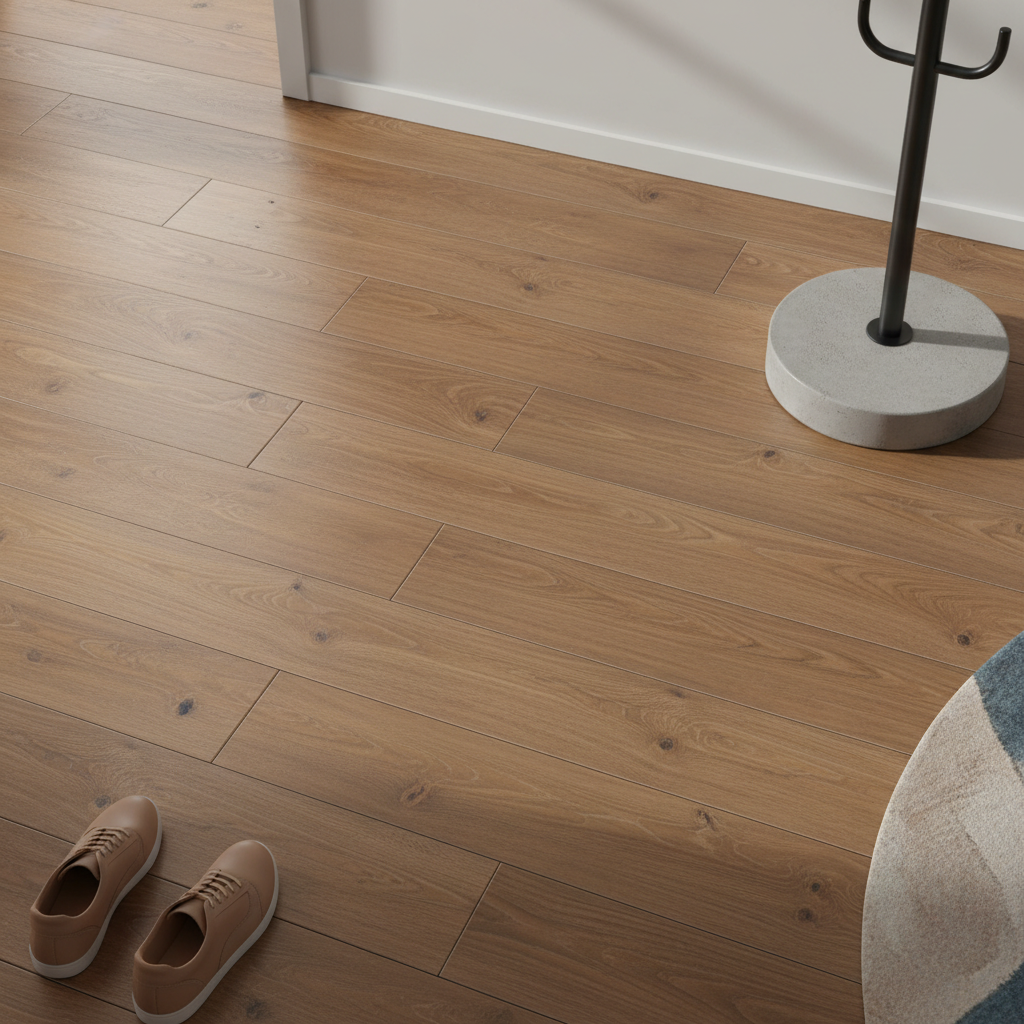
Luxury Vinyl Plank (LVP) is frequently marketed for its waterproof capabilities, making it a staple for residential and commercial flooring services throughout the region. However, in our high desert climate, moisture is rarely the primary concern. The true threat to your floor’s longevity is the silica-rich sand and dry soil that hitches a ride into your home. When you apply a wet mop to a floor covered in this grit, you are essentially creating a liquid abrasive that can dull the factory finish over time.
To combat this, we advocate for a "Dry Before Wet" cleaning philosophy. Before any liquid cleaner touches the surface, you must remove all physical particles. Use a high-quality microfiber dust mop daily to trap fine dust that a standard broom might just push around. If you prefer to vacuum, ensure the beater bar is turned off. The rotating bristles designed for carpet can catch small pebbles and drag them across the planks, causing fine scratches in the wear layer that eventually trap more dirt.
When researching how to care for vinyl plank flooring, many homeowners encounter advice suggesting the use of Dawn dish soap. While a small amount of mild dish soap is technically safe for an occasional deep clean, it is not ideal for routine maintenance. The surfactants in dish soap are designed to break down grease, but on a floor, they often leave a microscopic film. This residue acts like a magnet for the very alkali dust we try to avoid. Instead, we recommend using a pH-neutral cleaner specifically formulated for LVP. These solutions evaporate cleanly without leaving a sticky footprint.
You should strictly avoid ammonia-based cleaners, bleach, or abrasive scouring powders. These chemicals are far too aggressive for the synthetic wear layer and can lead to permanent discoloration or brittleness in the arid Utah air. In our experience with completed projects in Carbon County, floors maintained with consistent dry-mopping and pH-neutral solutions retain their luster significantly longer than those subjected to harsh household detergents. If your floor has developed a stubborn haze or visible scratching, you can contact our flooring experts for professional guidance on specialized cleaning or restoration.
Sanitizing Without Damage: The Best Way to Mop Vinyl Plank Flooring
Once the abrasive grit has been cleared, you can move on to sanitizing. Even though modern vinyl is waterproof, you should avoid flooding the surface with water. The most effective technique involves a well-wrung microfiber mop that is barely damp to the touch. In Carbon County, our tap water is notoriously high in mineral content. If you use a dripping wet mop, the excess water will evaporate and leave behind calcium and magnesium deposits. These minerals create a cloudy haze or unsightly white streaks that dull the sheen of your planks.
To achieve a professional finish, the goal is for the floor to air-dry within a minute or two of mopping. This controlled moisture level allows the pH-neutral cleaner to lift oils without leaving standing water to dry slowly and trap minerals. If you notice persistent white spotting or a film after cleaning, the local hard water is likely the cause. In these instances, we recommend using distilled water for your cleaning solution or adding a specific rinse agent designed to neutralize mineral deposits. These precise steps ensure that residential and commercial flooring services retain their original luster. Maintaining this standard of care keeps your completed projects in Carbon County looking sharp and prevents the long-term mineral buildup that eventually requires professional intervention.
Protecting Hardwood Floors from Utah's Low Humidity

While vinyl plank handles the lack of moisture well, natural hardwood is far more sensitive to the atmospheric shifts in Carbon County. For residential and commercial flooring services involving real wood, we advise clients to maintain a relative humidity level between 35 and 55 percent. When the environment falls below this range, which is common during our cold, dry winters, the wood begins to lose its internal moisture. This causes the planks to shrink, resulting in unsightly gaps between boards that can trap desert grit. While the methods for how to care for vinyl plank flooring focus on surface protection, maintaining natural wood requires you to look at the air itself.
If the moisture balance is uneven, you may see cupping, where the edges of the board sit higher than the center, or crowning, where the center appears raised. In our high desert climate, the most frequent issue is dry shrinkage rather than moisture expansion. To prevent structural changes in your completed projects in Carbon County, we recommend using a whole-home humidifier integrated into your HVAC system. If that is not an option, placing room-specific humidifiers in areas with hardwood can provide the necessary stability to prevent the wood from becoming brittle.
Regarding cleaning, you must avoid steam mops on hardwood surfaces. The combination of high heat and pressurized moisture is devastating to natural wood. The heat can break down the finish, while the moisture forces its way into the dry wood fibers, causing them to swell rapidly and then contract, which leads to cracking or peeling. If you are concerned about the stability of your floors as the seasons change, you should contact our flooring experts for a professional assessment of your home’s humidity and floor health.
Tile and Grout Maintenance: Managing Sand and Hard Water Stains
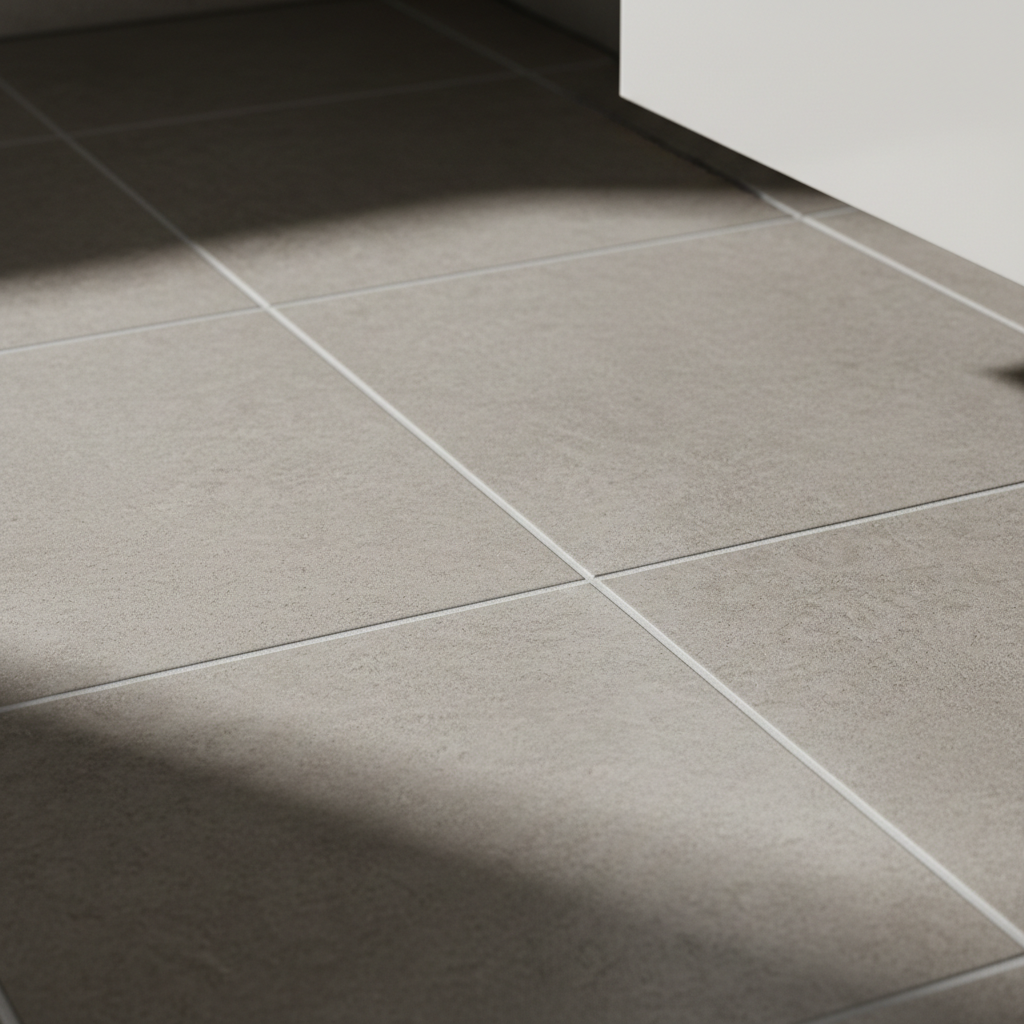
While tile is significantly more resistant to the moisture issues that plague hardwood, its primary vulnerability lies in the grout lines. Grout is a porous material that acts like a sponge for liquid and fine particles. In the Carbon County area, the high concentration of iron oxide in our red desert soil poses a specific threat. If this dust is allowed to sit on unsealed grout, it can cause permanent reddish-orange staining that is nearly impossible to lift.
Maintaining a proper seal is the most effective way to prevent these stains. You can test your current seal by placing a few drops of water on a grout line. If the water beads on the surface, the protection is holding. If the grout darkens as it absorbs the liquid, the seal has failed. Ensuring a fresh seal is a standard recommendation within our residential and commercial flooring services to maintain the aesthetic of the room.
When scrubbing these areas, avoid using steel wool or metallic brushes, which can damage the tile glaze and erode the grout. Instead, use a soft-bristled brush. For families preferring non-toxic solutions, a paste made of baking soda and a small amount of water provides an effective, mild abrasive that lifts grime without harsh odors. Much like learning how to care for vinyl plank flooring by focusing on grit removal, tile maintenance relies on keeping the local sand from finding a permanent home in your floor’s pores.
Many of our completed projects in Carbon County utilize these methods to keep light grout looking new. If your grout has already reached a point where household cleaning is ineffective, you can contact our flooring experts to discuss deep extraction options.
Seasonal Maintenance Checklist for Carbon County Homeowners
Seasonal maintenance in Price and Helper requires adjusting your routine to match the shifting external environment. During the winter, the primary threat is ice melt and road salt tracked in from driveways. These chemicals are highly alkaline; if left to sit, they can chemically etch the finish of your floor or cause permanent clouding. You should wipe up white, salty residue immediately with a damp cloth to prevent this chemical reaction from damaging the wear layer.
As spring arrives, the melting snow transforms our local soil into a heavy mud that holds moisture against your floors. This is the ideal time for a thorough deep clean to remove the build-up of winter grime that has settled into corners and grout lines. For summer and fall, wind-driven sand becomes the dominant issue. We recommend a double-mat system for every entry point. Place one heavy-duty scraper mat outside to knock off large pebbles, and a second, absorbent mat inside to catch fine dust. This combination can stop up to 80 percent of grit before it ever touches your completed projects in Carbon County.
Integrating these habits into your routine simplifies how to care for vinyl plank flooring and other materials throughout the year. Consistent protection reduces the wear on residential and commercial flooring services and extends the time between professional deep cleans. If you notice seasonal damage or stubborn staining, you can contact our flooring experts for a specialized assessment.
When to Call a Professional for Floor Maintenance in Price and Helper
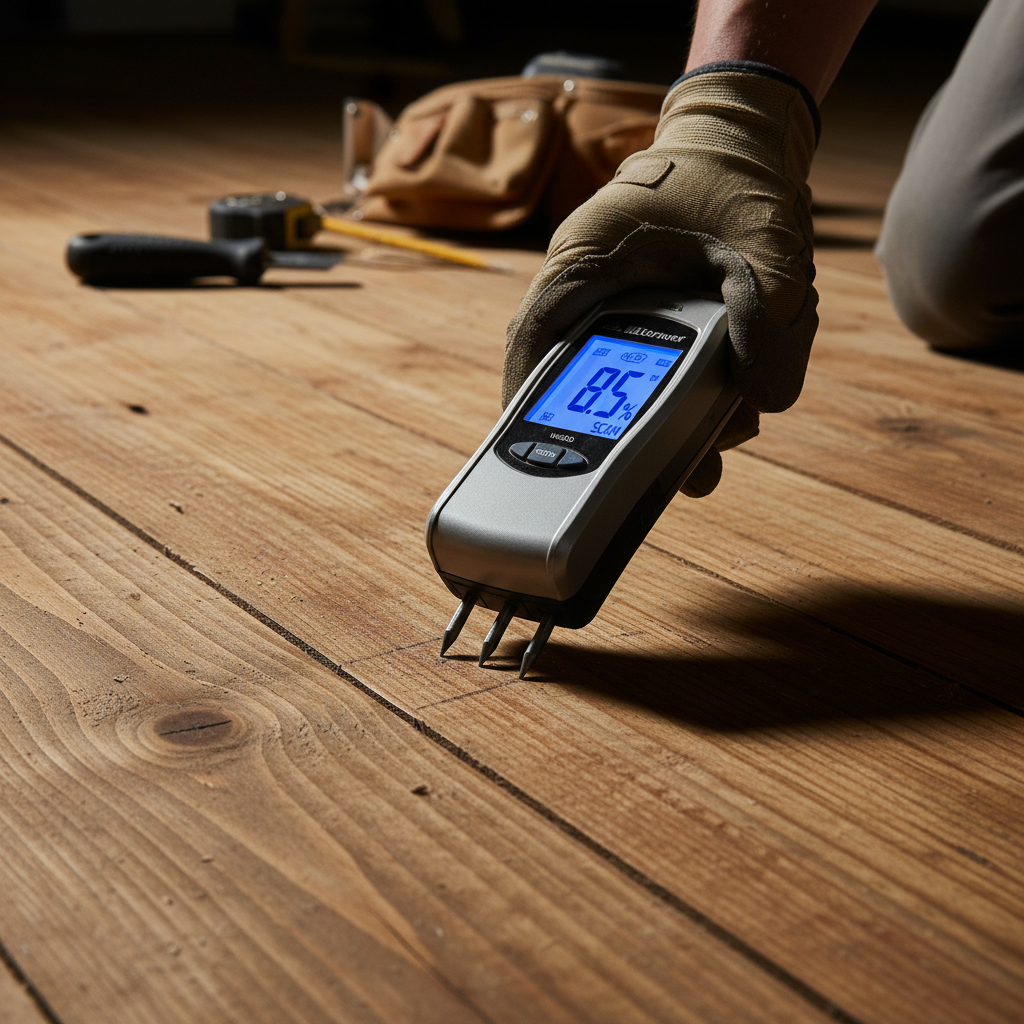
Daily maintenance prevents damage, but professional intervention restores the structural and aesthetic integrity of your surfaces. For hardwood owners in Price, recognizing the limit of DIY care is vital. If your finish is dull but the wood beneath is undamaged, a professional screen and recoat can refresh the surface without the time and expense of a full overhaul. However, if the boards show deep gouges, staining, or significant humidity-related cupping, a full sand and refinish is necessary to level the floor and re-stabilize the material.
In kitchens and entryways, standard mopping often fails to reach the base of grout pores. Professional tile cleaning uses high-pressure extraction to lift the fine alkali dust that household tools leave behind. Even when you understand how to care for vinyl plank flooring through regular dry-mopping, professional-grade equipment can remove persistent mineral hazing caused by local hard water that household pH-neutral cleaners cannot budge. Our team at Keiths Flooring provides specialized residential and commercial flooring services to handle these technical tasks. You can view our completed projects in Carbon County to see the results of deep restoration. If your floors no longer respond to routine cleaning, contact our flooring experts to schedule a professional assessment.