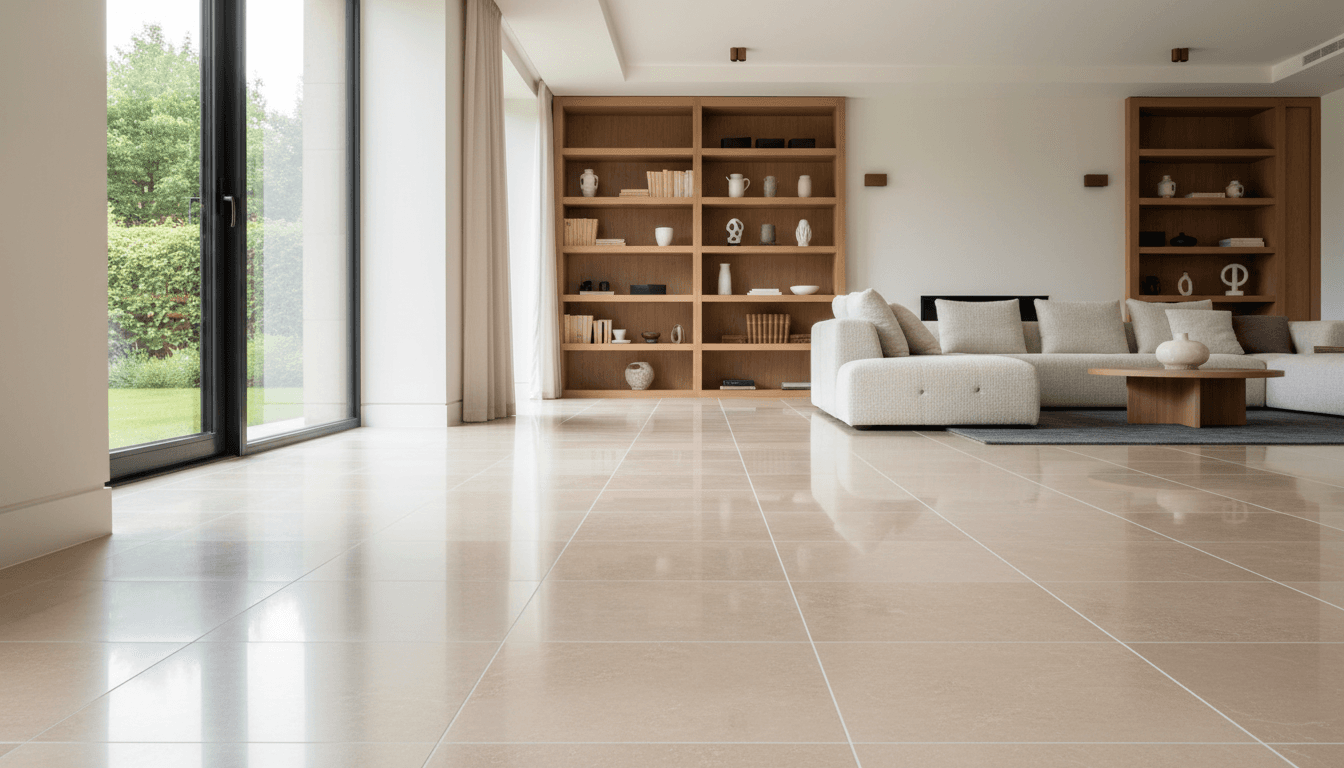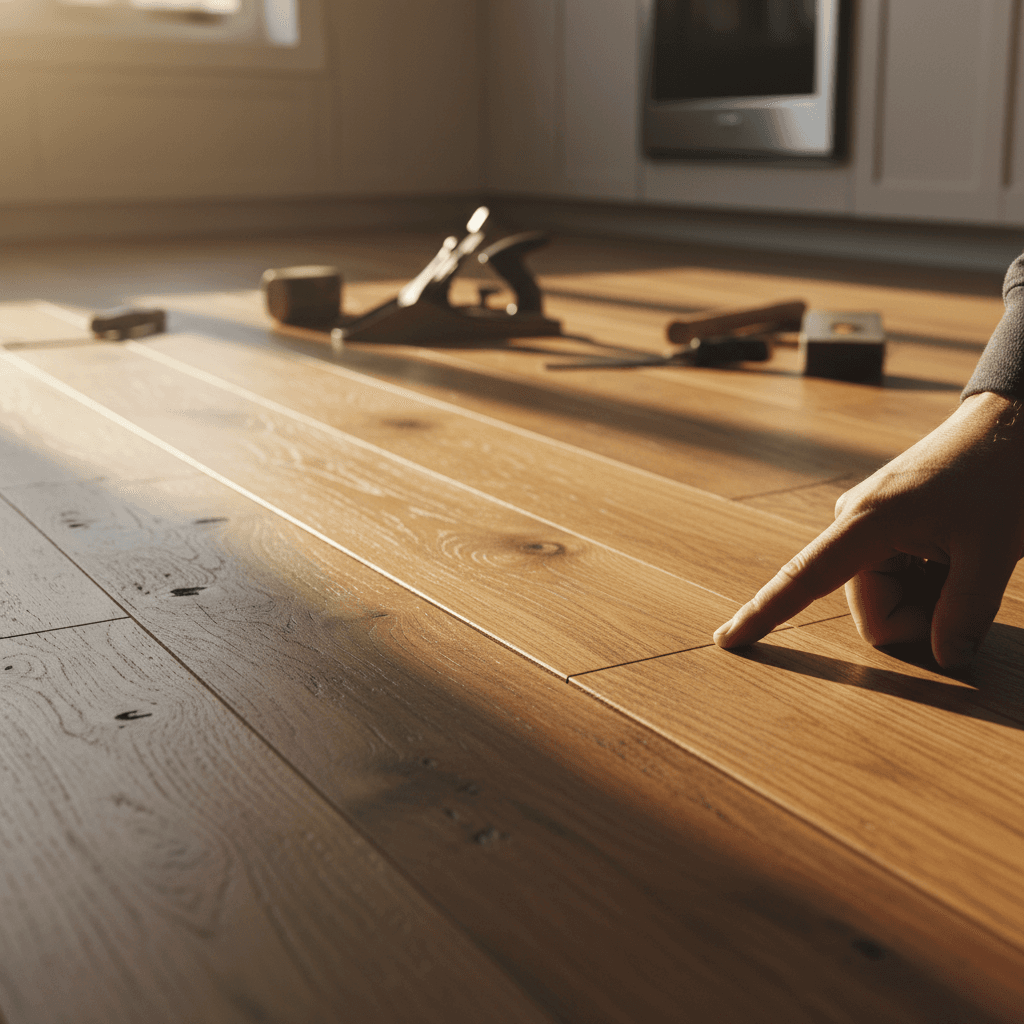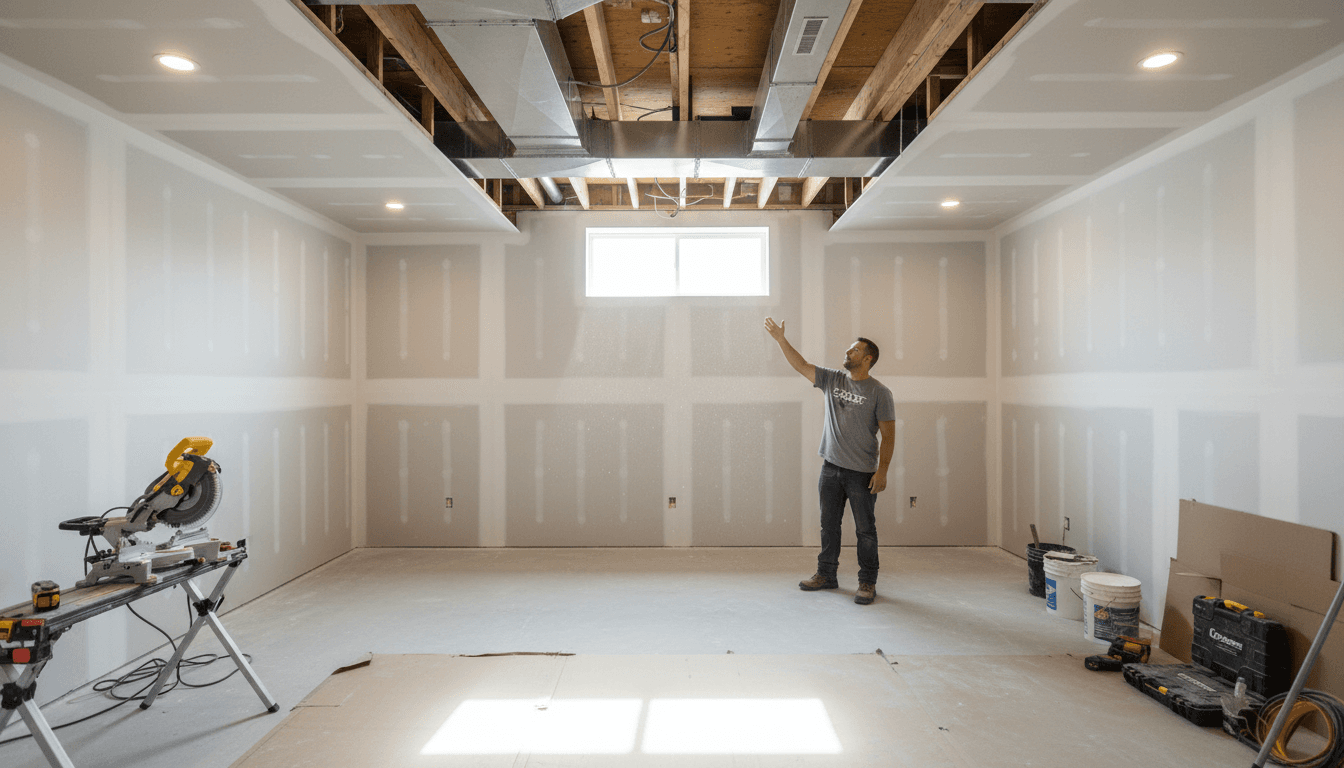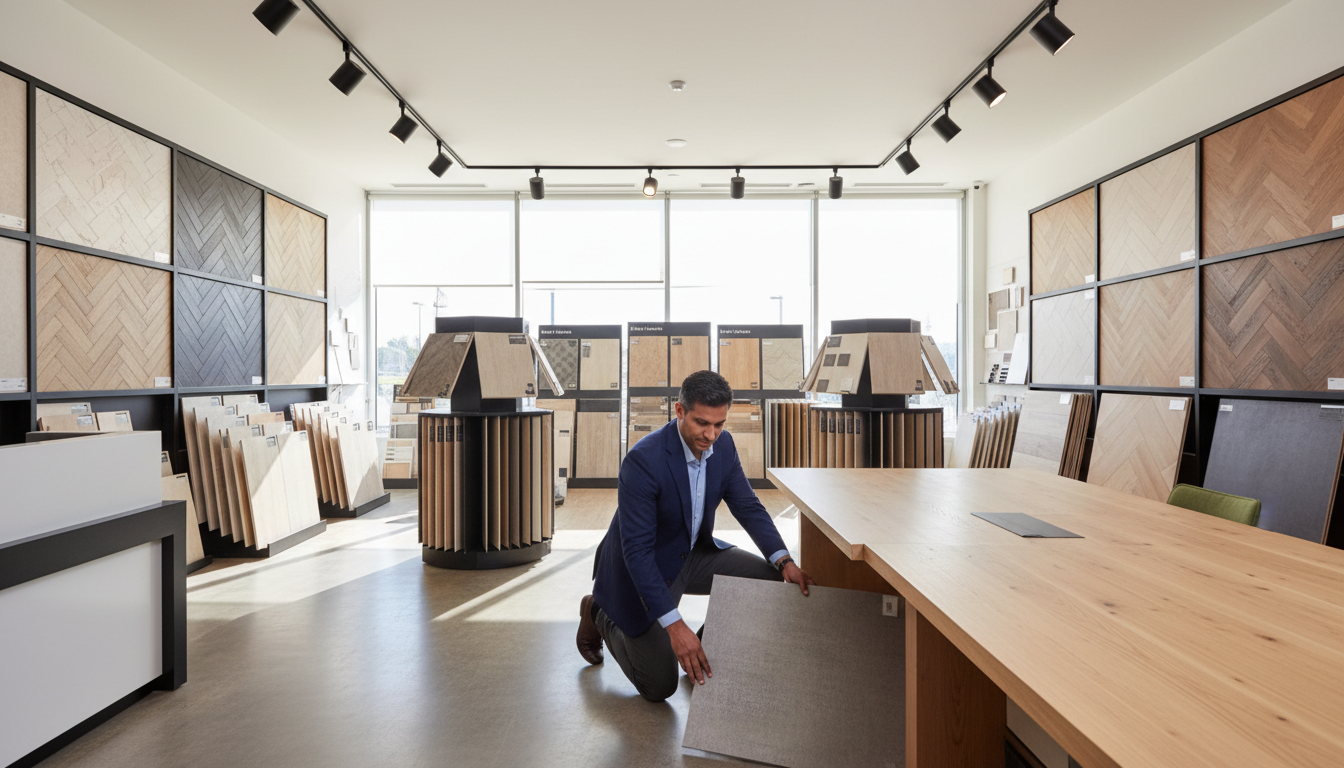
When comparing laminate vs vinyl plank flooring, laminate typically offers superior scratch resistance for high traffic areas. Conversely, vinyl plank flooring is more effective for moisture prone spaces such as bathrooms or basements due to its inherent water resistance. Both options provide durable solutions, so the best choice depends on whether you value surface protection or waterproof performance.
Selecting the perfect flooring for a Carbon County home often feels like an overwhelming balancing act between aesthetic elegance and everyday practicality. With our unique Utah climate, characterized by arid winters and intense summer heat, the material you choose must withstand more than just heavy foot traffic; it must endure significant environmental shifts without compromising its structural integrity. At Keiths Flooring, we recognize that homeowners are frequently caught between the sophisticated texture of modern laminate and the rugged, waterproof versatility of luxury vinyl plank. This guide provides an expert comparison to help you navigate these options with total confidence. We will examine core construction differences, analyze how each surface handles the moisture of bathrooms and kitchens, and discuss which investment offers the greatest long-term resale value for our local market. By the end, you will have the clarity needed to select the ideal foundation for your home.
The Core Differences Between Laminate and Vinyl Plank Flooring
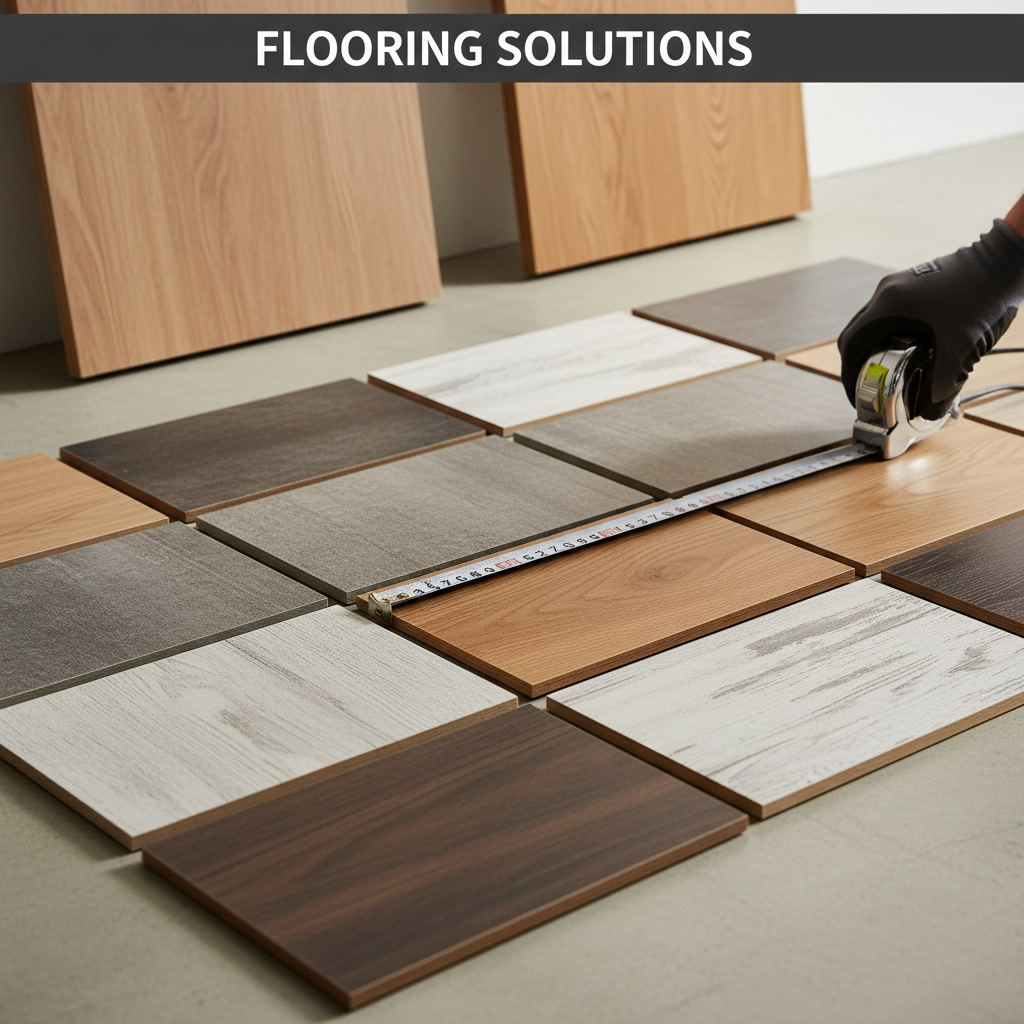
Choosing between materials for a remodel requires looking past the surface grain and understanding the engineering of the core. When evaluating laminate vs vinyl plank flooring, the primary distinction lies in the composition of these layers. Laminate is a multi-layer synthetic product fused together through a high-pressure lamination process. Its core typically consists of High-Density Fiberboard (HDF), which is made from recycled wood byproducts and resins. This gives the material a rigid, wood-like feel, but it also means the core remains susceptible to moisture absorption if not properly sealed.
In contrast, Luxury Vinyl Plank (LVP) is entirely synthetic, utilizing a Polyvinyl Chloride (PVC) base. Within the LVP category, the core technology further branches into Stone Plastic Composite (SPC) and Wood Plastic Composite (WPC). The following table breaks down the structural differences in vinyl cores:
Core Type | Primary Composition | Key Characteristic |
|---|---|---|
SPC | Limestone and Stabilizers | Rigid, highly dent-resistant, and thin |
WPC | PVC, Wood Flour, and Foaming Agents | Softer underfoot, thicker, and better insulation |
SPC flooring creates a dense, stable board that performs well in areas with heavy furniture. WPC provides a bit more "give," making it comfortable for standing in kitchens. Understanding these structural differences is the first step in selecting the right material for your property. While both options offer impressive visuals, their internal makeup determines how they will react to the environment of a home. For homeowners looking for professional flooring services or specific material advice, understanding these technical specs is vital. If you have questions about which core suits your specific subfloor, you can contact our flooring experts for a detailed assessment.
Durability and Scratch Resistance: Which Holds Up to Carbon County Lifestyles?
Daily life in Carbon County brings specific challenges to residential floors, particularly the abrasive grit and fine dirt tracked in from our local terrain. When comparing laminate vs vinyl plank flooring for durability, the winner depends on which type of damage you are most concerned about. High-quality laminate is renowned for its surface hardness. Manufacturers use an Abrasion Criteria (AC) rating system to denote durability. For homes with heavy traffic or active households, an AC4 or AC5 rated laminate provides a top layer that is significantly harder and more scratch-resistant than most vinyl products. This hard resin surface acts as a shield against the fine sand and pebbles that act like sandpaper underfoot.
However, scratch resistance is not the same as impact resistance. Vinyl plank excels when it comes to absorbing force. If a heavy tool or a cast-iron skillet is dropped in the kitchen, a laminate plank might chip or crack due to the brittle nature of its rigid HDF core. Vinyl, particularly SPC with its limestone stabilizers, is much more likely to withstand the impact without structural failure. The following table summarizes how these materials typically respond to common household stresses:
Stress Type | Laminate (AC4+) | Luxury Vinyl Plank (LVP) |
|---|---|---|
Surface Scratches | Superior Resistance | Good Resistance |
Impact/Dropping Objects | Prone to Chipping | Highly Dent Resistant |
Abrasive Grit/Sand | Excellent Protection | Moderate Protection |
Homeowners frequently ask: "Do dog claws scratch LVP flooring?" The answer lies in the wear layer thickness, which is measured in mils (one-thousandth of an inch). While LVP is tough, a thin 6-mil or 12-mil wear layer can show scuffs from larger dogs over time. To ensure longevity against pet claws, we recommend selecting a product with at least a 20-mil wear layer.
For those coordinating professional flooring services for a remodel, matching the material to the room's specific traffic patterns is essential. If you are unsure which AC rating or mil thickness is appropriate for your project, you can contact our flooring experts for a recommendation tailored to the specific demands of your home.
Waterproof vs Water Resistant: The Bathroom and Kitchen Debate
While durability against foot traffic is important, moisture management is the deciding factor for many Carbon County renovations. Understanding the distinction between water resistant and waterproof is critical when evaluating laminate vs vinyl plank flooring. Most modern laminate is marketed as water resistant, meaning the surface and joints can repel liquid for a specific window, typically 24 to 72 hours. If a spill is left longer, or if water seeps into the fiberboard core from the edges, the wood fibers will swell, leading to peaked seams that cannot be easily repaired.
Luxury Vinyl Plank offers a different level of security. Because it is 100% synthetic, LVP is truly waterproof. You could theoretically submerge a plank of SPC vinyl in a bucket of water for a week, and it would remain dimensionally stable. For rooms like bathrooms, laundry rooms, and kitchens where plumbing leaks or heavy spills are likely, vinyl provides superior protection.
Feature | Water-Resistant Laminate | Waterproof LVP |
|---|---|---|
Primary Material | HDF (Wood Fiber) | PVC / Synthetic |
Surface Protection | 24 to 72 Hour Barrier | Indefinite |
Submerged Performance | Swells and Delaminates | Dimensionally Stable |
Ideal Rooms | Bedrooms, Living Rooms | Bathrooms, Basements |
In local basements, the choice becomes even more significant. Many homes in Price or Helper are built on concrete slabs that can emit moisture vapor. Laminate installed in these below-grade areas is at high risk of warping from the bottom up if the moisture barrier fails or if there is significant slab dampness. For these high-risk zones, we recommend professional flooring services to install LVP, which handles slab moisture far more reliably. If you are concerned about moisture levels in your subfloor, you can contact our flooring experts for a site inspection before selecting your material.
Climate Impact: How Utah Dryness and Temperature Affects Your Floors
Living in the high desert of Carbon County means your home experiences extreme shifts in humidity and temperature. These environmental factors play a massive role in the long term performance of laminate vs vinyl plank flooring. Laminate, which relies on a wood byproduct core, is highly hygroscopic; it absorbs and releases moisture based on the air around it. In the bone dry winters common in Price and Helper, laminate planks can shrink significantly. Without proper expansion gaps at the walls, this shrinkage leads to unsightly gapping where the tongue and groove joints pull apart.
Vinyl flooring, specifically Stone Plastic Composite (SPC), offers much better dimensional stability in our climate. Since it contains no wood fibers, it does not react to low humidity levels. While all floating floors require a degree of acclimation, vinyl is less prone to the dramatic seasonal shifts that plague wood based products.
Climate Consideration | Laminate Flooring | SPC Vinyl Plank |
|---|---|---|
Dry Winter Reaction | Significant Shrinkage | Minimal Change |
High Heat Stability | Moderate Expansion | Excellent |
Acclimation Necessity | Essential (48+ Hours) | Recommended (24+ Hours) |
Proper acclimation is a non negotiable part of our professional flooring services. We ensure every pallet of material sits in your home's environment to reach equilibrium before a single plank is laid. This process allows the material to adjust to your specific indoor climate, reducing the risk of buckling or separating later. If you have noticed gaps in your current floor or want to discuss local environmental impacts, you can contact our flooring experts for a consultation.
Visual Appeal and Texture: Finding the Right Look for Your Space
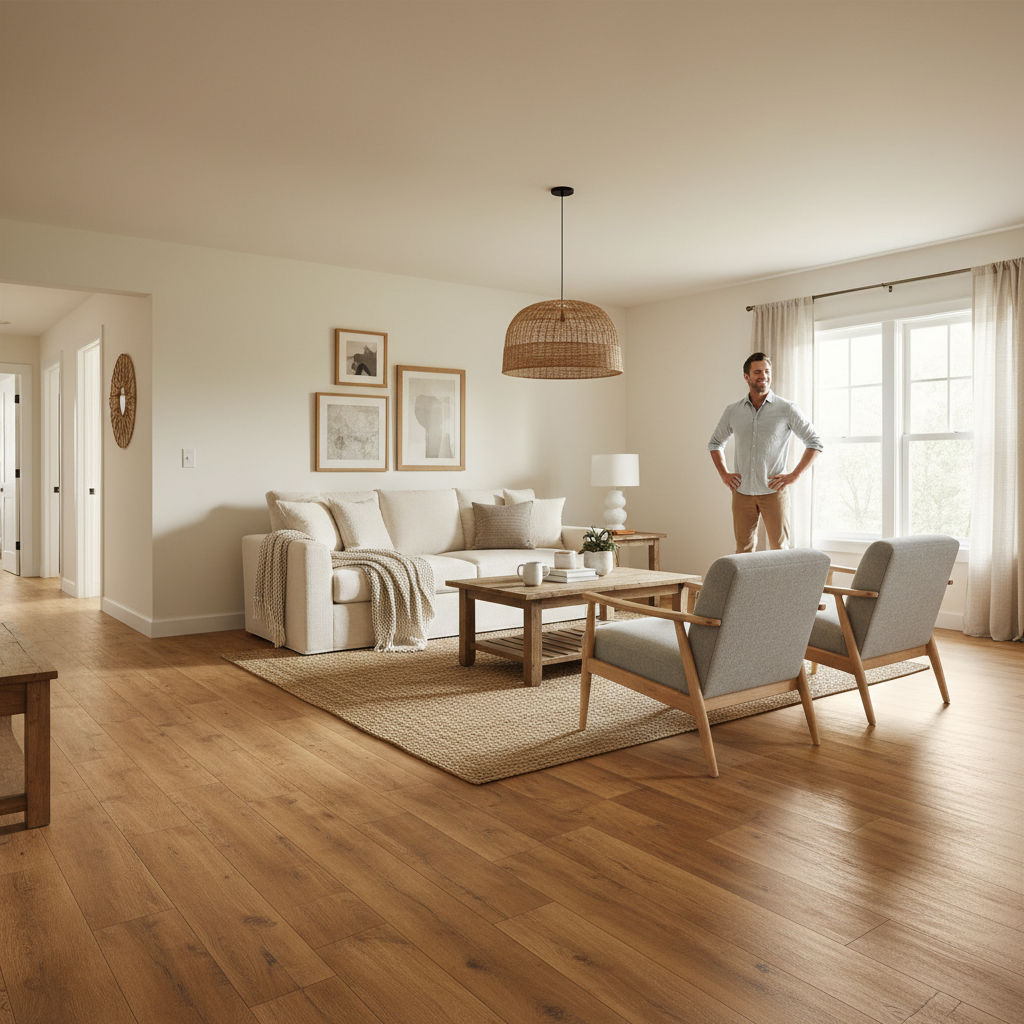
While durability and climate response are critical for long-term performance, the visual and tactile experience of your floor is what you notice every day. Historically, laminate has held the advantage in aesthetics. Because its surface is a high-definition photograph protected by a transparent resin, it often achieves more realistic grain patterns and a deeper, more rustic embossing than standard vinyl. This depth makes it a popular choice for homeowners in Price who want the look of reclaimed hardwood without the maintenance of actual timber.
Modern luxury vinyl has largely closed this gap. Top-tier LVP now utilizes "registered and embossed" technology, where the physical texture of the plank perfectly aligns with the visual wood grain. However, the most striking difference between laminate vs vinyl plank flooring is how they sound and feel. Laminate is rigid and can produce a hollow, clicky sound when walked on with hard-soled shoes. Vinyl is inherently softer and more flexible, providing a quieter step and a warmer feel underfoot during cold Utah winters.
Feature | Laminate Flooring | Luxury Vinyl Plank (LVP) |
|---|---|---|
Texture Depth | High (Deep Embossing) | Moderate to High |
Walking Sound | Rigid / Hollow | Soft / Muted |
Foot Feel | Harder / Traditional | Softer / Warmer |
Best Room Fit | Living & Dining Areas | Kitchens & Entryways |
If your priority is a realistic wood look for a formal living area, we often suggest high-grade laminate. For utility-focused spaces or areas where noise reduction is a priority, our professional flooring services typically lean toward LVP. To see samples of these textures in person, you can contact our flooring experts to find the right match for your home's style.
Installation and Subfloor Requirements
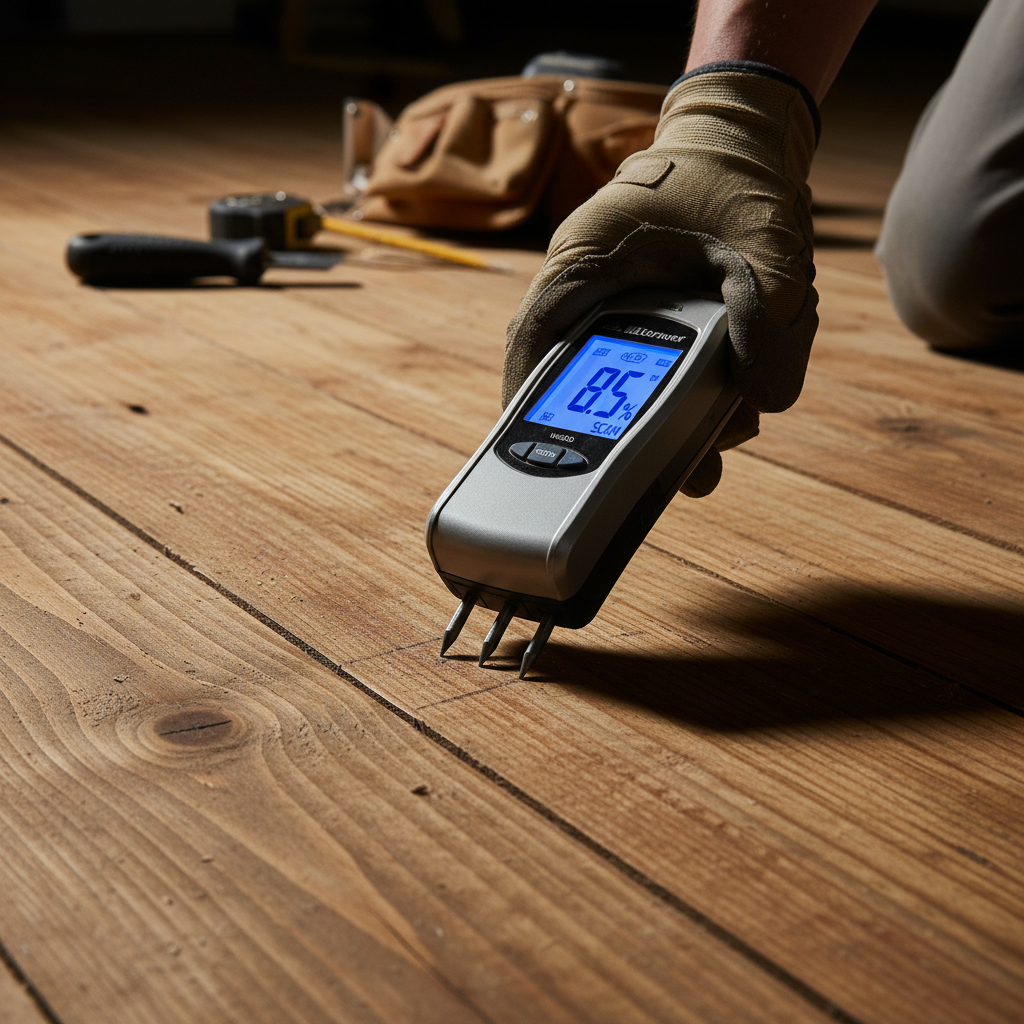
Regardless of the aesthetic chosen, the long term performance of both laminate vs vinyl plank flooring depends on the quality of the installation. Both materials are typically designed as floating floors using a click lock system. This allows the planks to expand and contract as a single unit without being fastened directly to the subfloor.
Subfloor preparation requirements differ based on the material's rigidity. Laminate demands a very flat surface, usually within 3/16 of an inch over a 10 foot span. If the subfloor has dips, the rigid planks will bridge the gap, leading to a hollow sound or bouncing sensation when walked on. Thicker vinyl planks, particularly those with attached underlayment, are slightly more forgiving of minor subfloor imperfections, though they still require a clean, stable base to prevent joint failure.
Requirement | Laminate Flooring | Luxury Vinyl Plank (LVP) |
|---|---|---|
Subfloor Flatness | Critical (No bouncing) | High (Prevents telegraphing) |
Installation Method | Floating / Click-Lock | Floating / Click-Lock |
Concrete Prep | Moisture Barrier Mandatory | Vapor Barrier Recommended |
In many newer Carbon County homes, concrete slabs are the standard. While LVP is waterproof, installing a 6 mil poly moisture barrier over concrete is still a best practice to prevent moisture vapor from being trapped under the planks. This is even more vital for laminate to prevent the core from swelling. Our professional flooring services include a full assessment of your subfloor's condition before we begin. If you need an expert opinion on leveling or moisture testing, you can contact our flooring experts to ensure a stable foundation for your project.
Cost Comparison: Material and Labor Investment
Analyzing the budget for a renovation involves looking at both the immediate purchase and the long term maintenance. For material costs, both laminate and vinyl plank flooring typically fall between $2 and $6 per square foot. High end SPC vinyl or AC5 rated laminate will sit at the upper end of that scale, offering better performance for the price. Professional installation adds another $3 to $8 per square foot, depending on the complexity of the layout and the level of subfloor preparation required.
Expense Category | Price Range (per sq. ft.) |
|---|---|
Material (Laminate or LVP) | $2 to $6 |
Professional Installation | $3 to $8 |
Estimated Total Project Cost | $5 to $14 |
While the initial investments are comparable, LVP often provides superior long term value in specific areas. In Carbon County kitchens or laundry rooms, the waterproof nature of vinyl protects against plumbing failures that would destroy a laminate floor. Choosing vinyl in these spaces can prevent expensive replacements due to water damage. Our professional flooring services include transparent estimates for every project. To get a quote for your specific square footage, contact our flooring experts for assistance.
Resale Value: Which Flooring Adds More to Your Utah Home?
Homeowners often ask which material provides a better return on investment during a sale. In the current market, Luxury Vinyl Plank (LVP) holds a slight edge in buyer perception. The term waterproof acts as a powerful selling point, especially for families looking for durability in entryways or kitchens. Buyers appreciate knowing that a spilled drink or snowy boots won't result in immediate damage, making LVP a favorite for rentals and active households in Carbon County.
However, when comparing laminate vs vinyl plank flooring for resale, high quality laminate remains a strong contender for bedrooms and formal dining areas. Upgrading from builder grade carpet to a premium laminate with realistic wood textures can significantly modernize a home's appearance. It provides the visual warmth buyers expect in a master suite without the cost of solid hardwood.
Success in boosting home value depends on matching the material to the room's function rather than just following trends. A durable vinyl is perfect for high traffic mudrooms, while a beautiful laminate excels in quiet living spaces. For help selecting a product that maximizes your home’s market appeal, you can contact our flooring experts for a consultation. Our team provides professional flooring services that ensure your investment is installed correctly to impress future buyers.
Choosing between laminate and vinyl plank flooring ultimately depends on your specific lifestyle and the unique needs of your Carbon County home. While laminate offers a realistic wood feel, vinyl provides superior moisture protection for busy spaces. If you find yourself stuck between these two great options, expert guidance can make the decision much easier. You can explore our full range of flooring services to see how we can assist with your next project. Our team is here to help you select and install the perfect floor for your space.