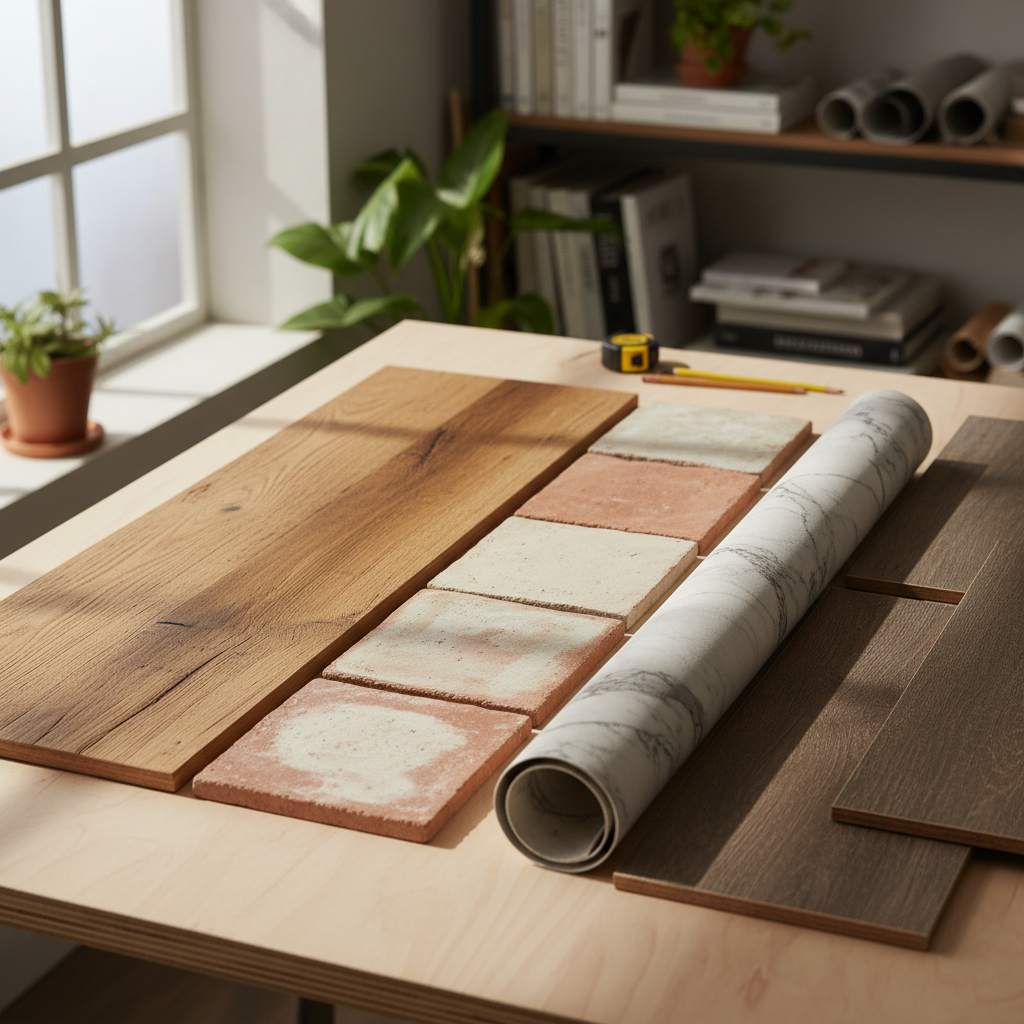
The best flooring options Carbon County homeowners can choose include luxury vinyl plank, ceramic tile, and engineered hardwood because they withstand Utah's varied climate. Local providers like Hometown Flooring in Price offer expert guidance and extensive inventories to help match these durable materials with your home's specific interior design and functional needs.
Carbon County homeowners face unique challenges, from the bone-dry summer heat to the heavy snow and salt tracked in during mountain winters. Choosing a floor that looks beautiful is easy; choosing one that survives the local climate without warping, cracking, or staining is the real struggle. At Keiths Flooring, we understand that your home is an investment that requires materials suited specifically to our high-elevation environment. The wrong choice can lead to costly repairs within just a few seasons. This guide walks you through the best flooring options for our region, comparing how engineered wood handles Utah dryness versus the durability of luxury vinyl for high-traffic areas. We will also cover tile for mudrooms, warm carpet for winter, and why professional installation ensures your floors last for decades.
Understanding the Carbon County Lifestyle and Climate
Choosing the right materials starts with acknowledging the unique demands of life in Price, Helper, and Wellington. Unlike more temperate regions, Carbon County sits in a high desert environment where humidity levels often hover between 15 and 30 percent. This extreme dryness, paired with temperature swings from scorching summers to sub-zero winters, puts immense stress on any interior surface.
Our proximity to the Manti-La Sal mountains means homeowners frequently track in heavy snow and thick mud during the winter months. In the summer, the wind carries fine red rock dust that acts like sandpaper on delicate finishes. When considering flooring options Carbon County residents need surfaces that can handle this specific abrasive grit without wearing down or warping prematurely.
At Keiths Flooring, we provide dependable residential and commercial flooring services tailored to these environmental stressors. We understand that a floor in a Wellington mudroom faces different challenges than one in a national big-box store's climate controlled showroom. Local expertise is essential for selecting materials that resist the "sandpaper effect" of our local dust and the moisture spikes from melting snow. Proper installation requires accounting for the seasonal expansion and contraction caused by our high desert climate to ensure long term durability and comfort.
Hardwood vs Engineered Wood: What Handles Utah Dryness Best?
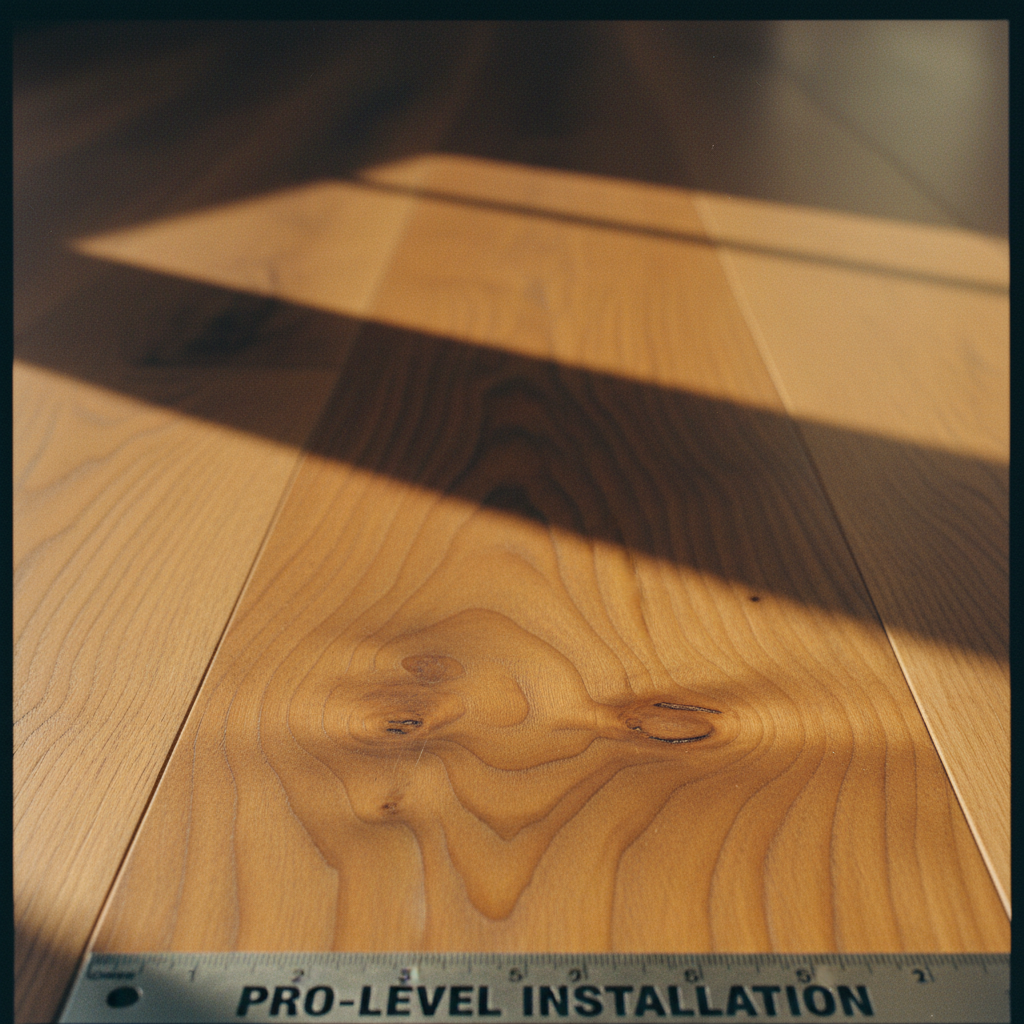
Selecting wood flooring in Carbon County requires a technical understanding of how natural fibers react to our 15 to 30 percent humidity levels. Solid hardwood consists of a single, continuous piece of timber. While it offers a classic look, it is highly susceptible to the physical changes caused by the dry air in Price and Wellington. Without consistent moisture, solid planks are prone to shrinking, which creates unsightly gaps between boards, or cupping if the environment shifts during a rare humid spell.
Engineered wood typically performs better in our local climate due to its structural design. It features a genuine hardwood veneer bonded to a multi-layered core of high-quality plywood or high-density fiberboard. This cross-grain construction provides the dimensional stability necessary to resist warping and shrinking. It allows the floor to remain flat and secure even when the outdoor air is bone-dry. Before any installation, our team performs professional moisture testing on both the subfloor and the wood planks. This step is critical to ensure the material has properly acclimated to your home's specific environment, preventing future failures like splitting or buckling.
Homeowners frequently ask: do buyers prefer LVP or hardwood? While LVP is a fantastic choice for high-traffic utility, genuine wood remains the gold standard for resale value in the Utah market. Buyers often view real wood as a permanent, high-end upgrade that adds long-term equity to a property. If you are aiming for a classic aesthetic that holds its value, you can view our portfolio of completed projects to see how engineered wood integrates into local interiors.
Luxury Vinyl Plank: The Durable Hero for High Traffic Homes
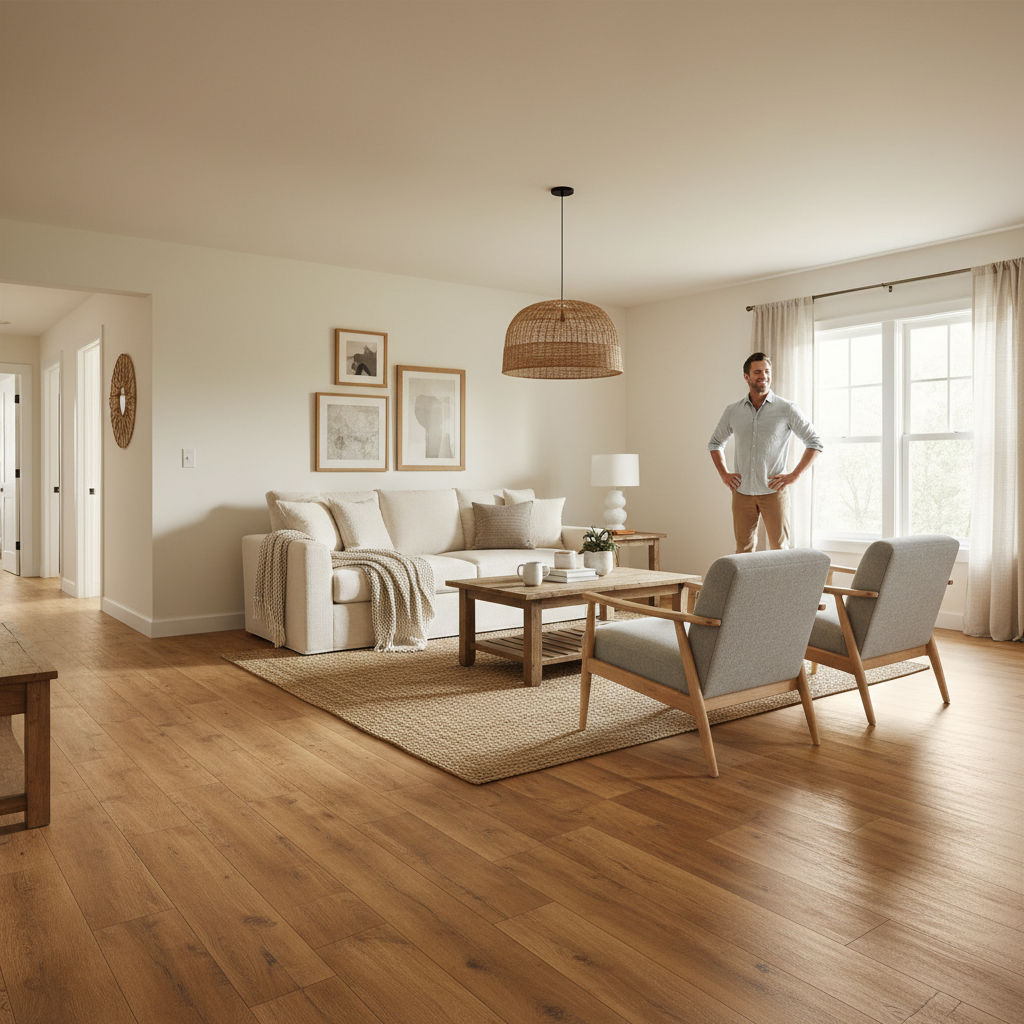
While wood offers prestige, Luxury Vinyl Plank (LVP) has become one of the most sought-after flooring options Carbon County residents choose for sheer practicality. Its primary advantage is resilience. Unlike natural materials that react to the 15 percent humidity levels in Price, LVP is a synthetic product that maintains its shape regardless of the dry air or seasonal temperature swings.
For local families and property managers, the waterproof nature of LVP is a critical feature. It handles the puddles of snowmelt in mudrooms and entryways without the risk of swelling or delamination. Furthermore, the high-quality wear layer on modern planks is designed to withstand the abrasive grit of red rock dust. This grit often acts as sandpaper on other surfaces, but LVP resists these scratches, maintaining its finish over a 15 to 25 year lifespan.
It is helpful to distinguish between Luxury Vinyl Plank (LVP) and Luxury Vinyl Tile (LVT). LVP is manufactured in long strips to mimic the appearance of hardwood, whereas LVT is produced in squares or rectangles to replicate the look of stone or ceramic. Both share the same durable core, making them excellent choices for high-traffic zones. If you are planning a renovation, you can contact our team for a consultation to determine which style and wear layer thickness best suits your property’s layout.
Tile and Stone for Kitchens and Mudrooms
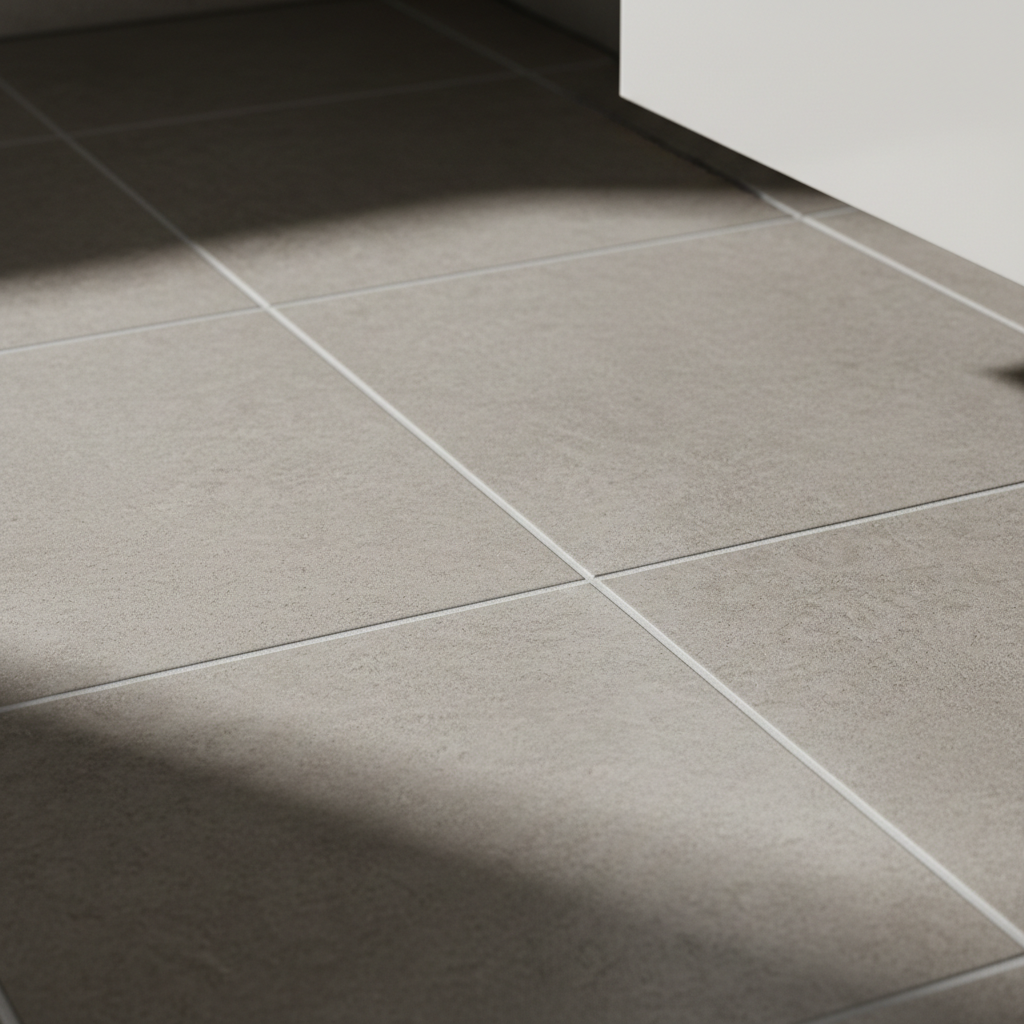
For spaces facing constant moisture or heavy scrubbing, ceramic and porcelain tile are the most reliable flooring options Carbon County residents can install. Porcelain is especially suited for local homes because it is denser and less porous than standard ceramic, making it resistant to moisture absorption and the freeze-thaw cycles that can occur in unheated entryways or mudrooms. These materials provide an impervious barrier against standing water, which is essential for protecting subfloors in high-moisture areas like bathrooms and laundry rooms.
Many homeowners ask if tile is too cold for Utah’s mountain winters. While tile naturally stays cool, it possesses excellent thermal conductivity, making it the perfect partner for radiant floor heating systems. This upgrade is highly effective in the Price and Helper area, turning a durable stone surface into a consistent heat source during the coldest months. Unlike wood, which can act as an insulator, tile transfers heat efficiently to the soles of your feet.
Properly executing a tile project requires technical precision that goes beyond simple placement. The subfloor must be rigid and perfectly level to avoid lippage, which is the uneven vertical alignment of tile edges. Our team focuses on exact grout line consistency and substrate preparation to ensure the floor remains stable as the building settles in our dry climate. This level of detail is why many homeowners contact our team for a consultation before starting a kitchen or mudroom renovation.
Carpet Choices for Mountain Winters
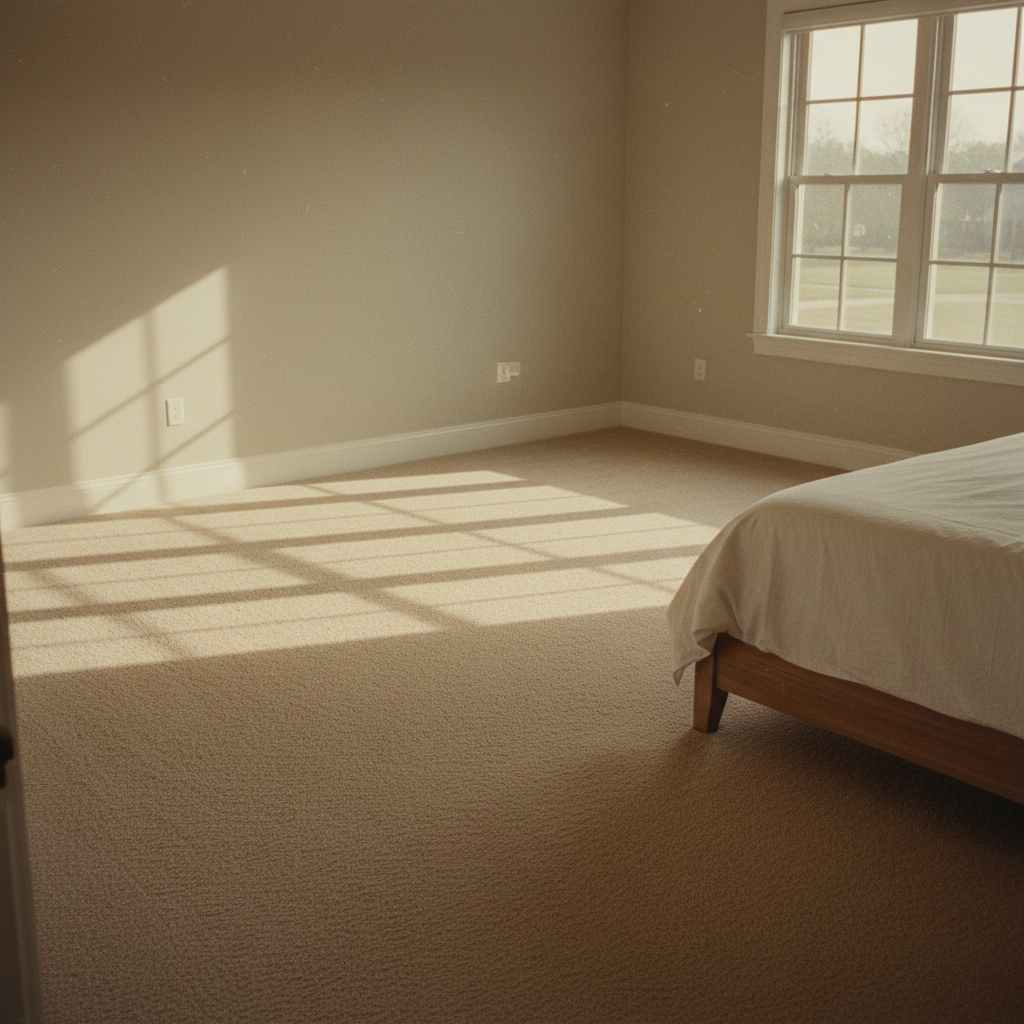
Despite the rise of hard surfaces, many homeowners in Price and Helper prefer the insulation of carpet for bedrooms and basements. In a region where winter temperatures frequently drop below freezing, carpet acts as a thermal layer that keeps rooms significantly warmer. For those concerned about respiratory health or asthma, modern manufacturing has improved the safety of these materials. We recommend selecting low-VOC (Volatile Organic Compounds) carpets paired with high-quality, antimicrobial pads. Unlike older installations, these advanced pads prevent moisture and allergens from becoming trapped beneath the surface, making it one of the healthier flooring options Carbon County residents can choose when maintained properly.
Texture and pile height also play a major role in both comfort and performance. A medium-height frieze or plush pile offers a balance of softness and resilience against foot traffic. For color, warm neutral tones like sand or taupe are particularly effective. These shades complement the intense, natural light characteristic of the Utah high desert while remaining forgiving when it comes to the occasional tracking of local soil. To explore specific fiber types, you can contact our team for a consultation to find a style that balances warmth with air quality.
The Rule of Three and Color Selection Tips
Designing a cohesive interior requires more than just picking a durable material; it involves managing visual transitions. We recommend homeowners follow the Rule of Three, which dictates that no more than three different types of flooring should be visible from any single vantage point in the home. Exceeding this limit often makes a floor plan feel fragmented and small, particularly in the open-concept layouts found in many newer builds in Price and Helper.
When selecting a palette, many clients ask if flooring should be lighter or darker than the walls. Lighter flooring options Carbon County residents choose often help smaller rooms feel more spacious and take advantage of the intense Utah sunlight. These lighter tones are also more forgiving with the fine red rock dust common to our region. Conversely, darker floors provide a sophisticated, dramatic anchor for a room, but they tend to highlight every speck of dust and pet hair. For a balanced aesthetic, aiming for a floor that is two shades darker than your walls often provides enough contrast without overwhelming the space. You can view our portfolio of completed projects to see how different color balances work in local homes.
Professional Installation: The Keiths Flooring Difference
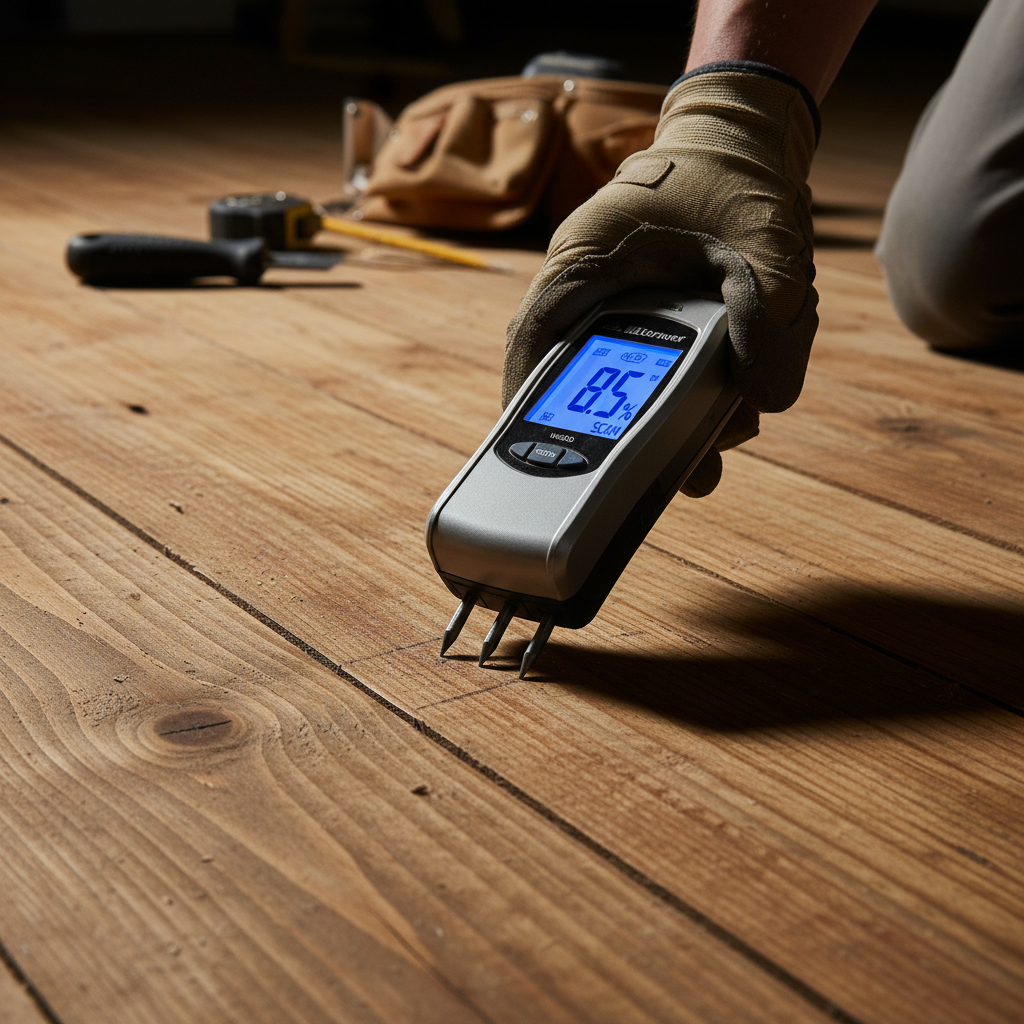
While design choices define the look of a room, the longevity of your investment depends on technical execution. Many DIY guides simplify the process to a few clicks or strips of adhesive, but they often ignore the critical step of subfloor preparation. A floor is only as good as the surface beneath it; our team meticulously checks for levelness, grinding down high spots or filling low areas in concrete slabs to prevent the "hollow" sound or joint failure that plagues rushed projects.
In the Price and Helper areas, professional moisture checking is a non-negotiable step. We assess the moisture content of both the subfloor and the new material to ensure they are compatible with local environmental conditions. Failing to account for this leads to common regional issues like buckling, where planks rise due to expansion, or peaking at the seams. Keiths Flooring provides dependable residential and commercial flooring services that prioritize these technical nuances.
From layout planning that avoids awkward thin strips at your walls to ensuring proper expansion gaps for the high desert’s temperature swings, we handle projects ranging from single bedrooms to large-scale commercial properties. Careful preparation and clean installation are the hallmarks of our workmanship, ensuring the various flooring options Carbon County residents choose stay beautiful and functional for decades. If you are ready to ensure your project is handled with this level of precision, you can contact our team for a consultation to discuss your specific installation needs.
Maintaining Your Floors in Carbon County
Preserving the longevity of your investment requires a maintenance routine tailored to the Price and Helper environment. The most significant threat to any finish in this region is the abrasive red rock grit carried by the wind. Placing heavy-duty walk-off mats at both the exterior and interior of every entrance is the first line of defense. This simple step prevents fine sediment from acting like sandpaper on your surfaces.
For natural materials like engineered wood, managing indoor humidity is vital during our dry winters. We recommend using a whole-house or room-specific humidifier to maintain moisture levels between 30 and 50 percent; this prevents the planks from shrinking or developing gaps. When cleaning, avoid using steam mops on LVP or wood, as the localized heat and moisture can damage the core or finish bond. Instead, use a microfiber mop and a pH-neutral cleaner. If you have questions about specific care products for the different flooring options Carbon County homeowners prefer, you can contact our team for a consultation. Proper upkeep ensures our dependable residential and commercial flooring services continue to look pristine for years.
Finding the right flooring for your Carbon County home means balancing aesthetic preferences with local climate demands. Whether you prioritize the warmth of hardwood or the durability of luxury vinyl, the right choice will enhance your living space for years to come. If you find the selection process overwhelming or want to ensure a professional finish, our team is here to help. We invite you to explore our services to see how we can assist with your next renovation; we are happy to provide the local expertise your project deserves.