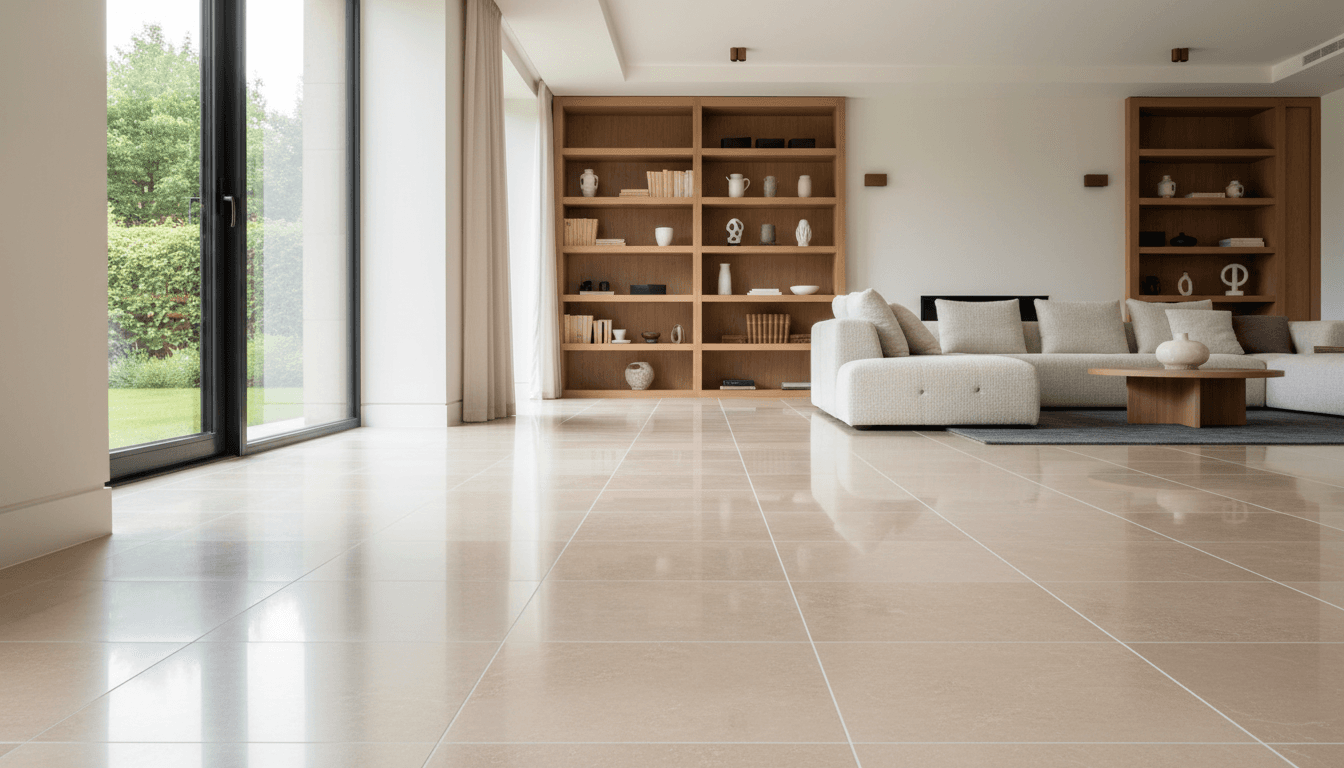
Tile provides superior long-term durability and moisture resistance for high-traffic areas, while vinyl plank serves as a budget-friendly and comfortable alternative for active households. When choosing between tile vs vinyl plank flooring, homeowners should prioritize tile for maximum longevity or select luxury vinyl for easier installation and lower upfront costs.
Choosing the right flooring for a Carbon County home often feels like a balancing act between long term durability and upfront affordability. Whether you are dealing with the high traffic of a busy household in Price or the seasonal temperature swings common in Helper, your floors must withstand significant daily wear without requiring constant repair. This choice is not just about aesthetics; it is a financial investment that impacts your home value and your weekly maintenance routine. In this guide, we evaluate the distinct advantages of ceramic tile against the modern versatility of luxury vinyl plank. We will analyze local installation costs for 2025 and 2026, compare scratch resistance for pet owners, and determine which material offers the best return on investment for the Utah market. By the end, you will know exactly which surface suits your specific room and budget.
Understanding Tile and Luxury Vinyl Plank in Carbon County
In Carbon County, choosing new flooring involves navigating the specific challenges of a high desert climate. The debate between ceramic or porcelain tile and luxury vinyl plank (LVP) often centers on how these materials handle our extreme temperature swings and the constant influx of fine desert dust. When evaluating tile vs vinyl plank flooring, homeowners must weigh the traditional resilience of stone and ceramic against the modern versatility of LVP.
Both options are staples in our residential and commercial flooring services, but the right choice depends on your specific room needs and budget. Tile offers unmatched longevity, whereas LVP provides a warmer, more forgiving surface underfoot during cold Utah winters. At Keiths Flooring, we focus on providing precise installation that accounts for these local variables. By reviewing our portfolio of local projects, you can see how each material complements the unique architecture found in Price and Helper. Selecting the right product requires understanding how these materials hold up against the daily wear and tear specific to our region.
Comparing Durability: Scratch Resistance and Longevity
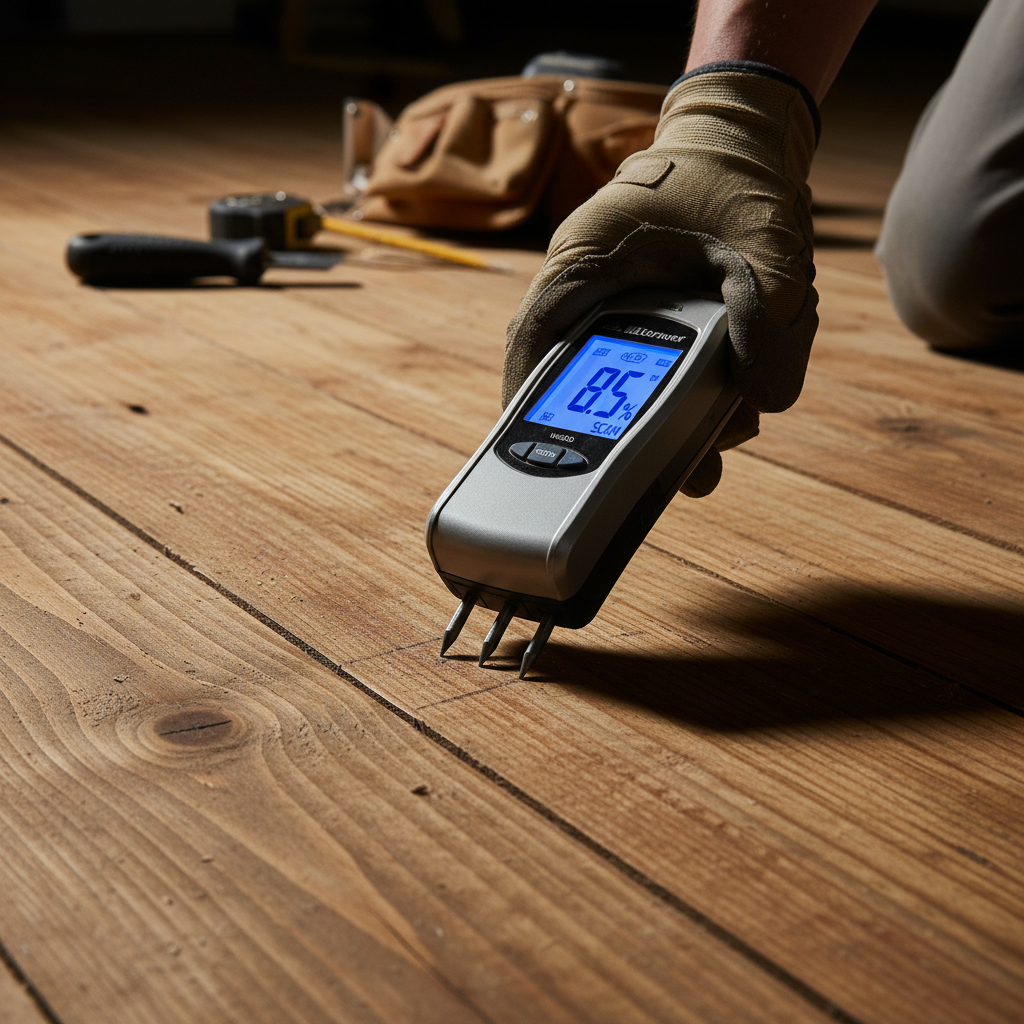
When comparing the long term wear of tile vs vinyl plank flooring, the conversation usually begins with surface hardness. In Carbon County, our shoes constantly track in fine, abrasive desert grit that can act like sandpaper on a floor. Porcelain and ceramic tile possess a raw surface hardness that makes them virtually scratch proof. This density allows a professionally installed tile floor to last 50 years or longer, making it a permanent fixture in a home.
However, hardness is only one part of the durability equation. Many residents ask about how these materials handle large pets. While dog nails will not leave a mark on porcelain, high quality luxury vinyl plank is engineered with a heavy wear layer designed to withstand busy households with pets. LVP offers a distinct advantage in impact resistance. Because tile is rigid, dropping a heavy kitchen pot or a tool can cause it to crack or chip. LVP is flexible; it absorbs the energy of an impact, often leaving no visible damage where a tile might require a repair.
Feature | Porcelain / Ceramic Tile | Luxury Vinyl Plank (LVP) |
|---|---|---|
Expected Lifespan | 50+ Years | 10 to 25 Years |
Scratch Resistance | Excellent (High Hardness) | Good (Wear Layer Dependent) |
Impact Resistance | Moderate (Can Crack/Chip) | High (Flexible and Resilient) |
Primary Durability Benefit | Raw Surface Hardness | Flexibility and Resilience |
For those seeking precise installation of either material, understanding these trade-offs is essential. While tile holds the edge in raw longevity, LVP provides a resilient surface that handles the bumps and drops of daily life. Our residential and commercial flooring services ensure that whichever material you choose, the preparation accounts for the unique stresses of the Utah landscape. You can see examples of how these materials age in our portfolio of local projects, which highlights installations across the Price and Helper areas.
Water Resistance and Subfloor Considerations for Utah Homes
In the ongoing debate of tile vs vinyl plank flooring, water resistance remains a top priority for bathrooms and laundry rooms. Modern luxury vinyl plank is engineered to be 100% waterproof, making it a reliable choice for surface spills and everyday moisture. However, porcelain and ceramic tile remain the gold standard for truly wet rooms. In a full bathroom renovation, tile provides a dense, impervious barrier that protects the structure of your home against standing water more effectively over decades of use.
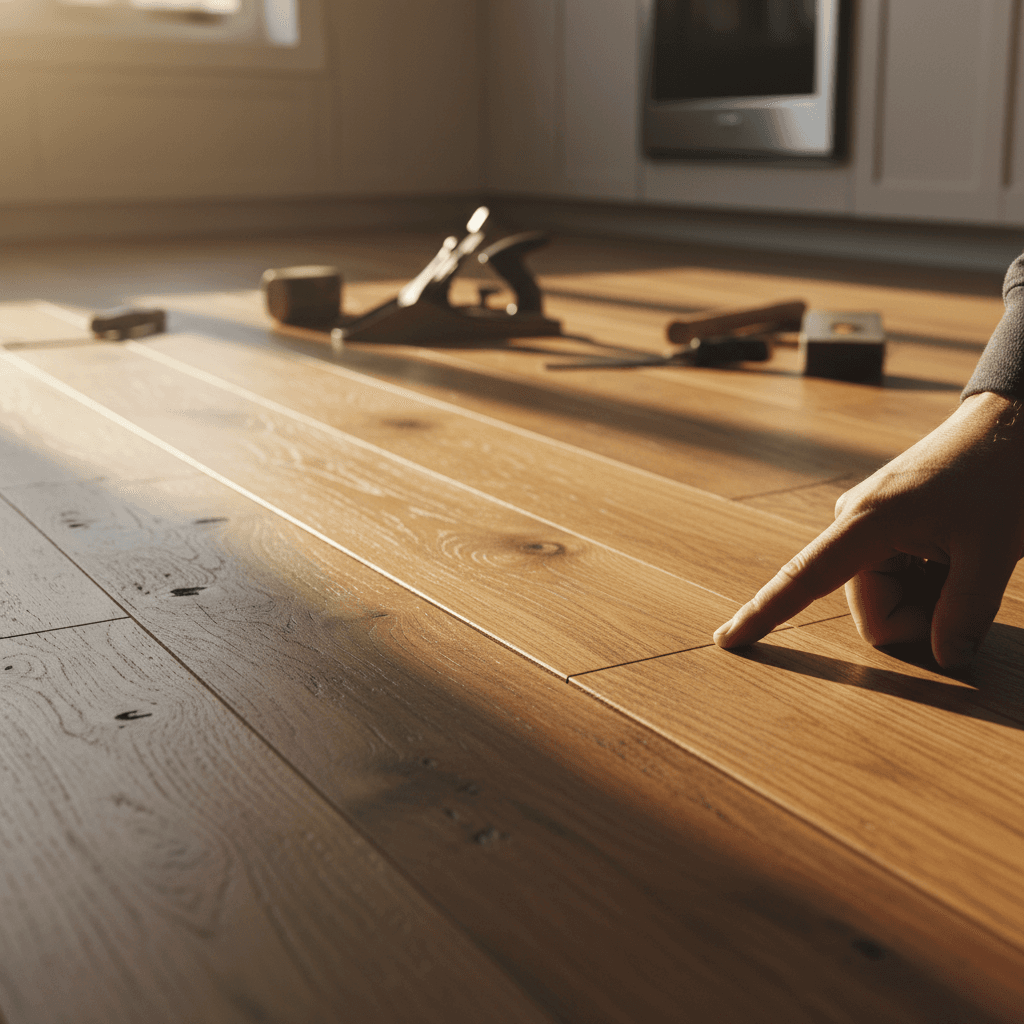
Subfloor condition is where these two materials diverge significantly. Many older homes in Price and Helper have experienced decades of settling, resulting in uneven or slightly sloped subfloors. When providing residential and commercial flooring services, we emphasize that tile requires an exceptionally flat surface to prevent failure. Even a minor dip in the subfloor can lead to cracked grout or broken tiles under the weight of foot traffic.
Conversely, the inherent flexibility of LVP allows it to contour slightly over minor subfloor imperfections without compromising the integrity of the locking mechanism. While we always aim for a level base, LVP is often the more practical solution for renovations where achieving a perfectly flat subfloor is physically or financially difficult. Achieving a precise installation requires assessing these structural realities before the first plank or tile is laid. You can see how we have handled these transitions in our portfolio of local projects.
Cost Analysis: Installation Prices for 2025 and 2026
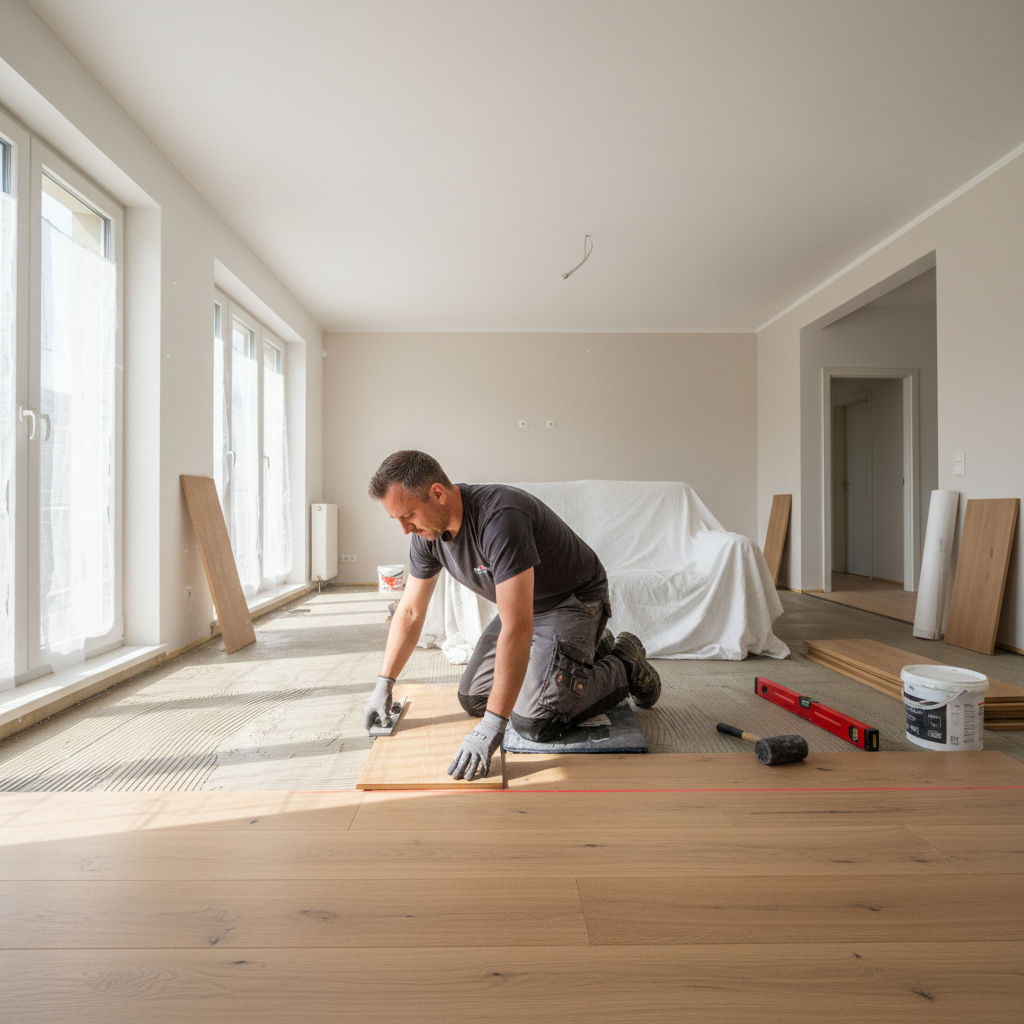
Budgeting for a renovation in Carbon County requires a clear look at both immediate expenses and long-term value. In the current market looking toward 2025 and 2026, the price gap between tile vs vinyl plank flooring remains significant due to labor intensity and material sourcing.
Luxury vinyl plank is generally the more budget-friendly option, with total installed costs typically ranging from $3 to $12 per square foot. Entry-level products sit at the lower end, while high-performance LVP, often preferred in Utah for its thicker wear layer and rigid core, usually lands in the $8.00 to $9.50 range. Because the installation process is faster and does not involve mortar or grout drying times, it allows for a lower labor overhead for our residential and commercial flooring services.
Professional tile installation represents a larger capital investment, ranging from $12 to $50 per square foot. This wide price range accounts for the difference between basic ceramic and premium porcelain or imported stone. Beyond the material, pattern complexity significantly impacts the total; a standard offset bond is more affordable than a custom herringbone or mosaic layout. Each of these requires a precise installation to ensure the longevity of the grout and substrate, especially in areas with temperature fluctuations.
Flooring Type | Typical Installed Cost (Per Sq. Ft.) | Estimated Lifespan |
|---|---|---|
Luxury Vinyl Plank (LVP) | $3 to $12 | 10 to 25 Years |
Ceramic or Porcelain Tile | $12 to $50 | 50+ Years |
While tile has a higher upfront cost, its value lies in its permanence. We often see tile outlast three or four LVP cycles, meaning you might never need to replace the floor again once it is laid. For a homeowner in Price or Helper planning to stay in their property for decades, tile often proves to be the more economical choice over time. Our portfolio of local projects showcases how both options can be utilized to fit different budgetary goals without sacrificing professional quality.
Comfort and Maintenance: Grout Lines vs Seamless Vinyl
Beyond the financial investment, your daily interaction with the floor determines long term satisfaction. In Carbon County, where winter temperatures often drop below freezing, the thermal properties of your flooring matter. Luxury vinyl plank offers a warmer, more resilient surface because its layered construction provides natural insulation. It is significantly softer underfoot, reducing fatigue during long periods of standing in a kitchen or workspace. In contrast, porcelain or ceramic tile remains cold to the touch unless you install an electric radiant heating system beneath it.
Maintenance requirements also diverge when considering tile vs vinyl plank flooring. Our local environment is characterized by fine desert silt that easily tracks indoors. With tile, these microscopic particles eventually settle into grout lines. Even with a precise installation, grout is porous; it requires periodic professional sealing and aggressive scrubbing to maintain its original color. LVP provides a virtually seamless surface that eliminates these traps. A simple microfiber mop is usually sufficient to remove Utah dust from vinyl without the need for specialized chemicals. For clients utilizing our residential and commercial flooring services, we often recommend LVP for high traffic areas where minimizing cleaning time is a priority. You can see how both materials look in finished spaces by viewing our portfolio of local projects.
Impact on Home Resale Value in the Local Market
Homeowners in Price and Helper frequently ask if installing luxury vinyl plank will negatively impact their property value. Modern, high-quality LVP is now widely accepted in high-end renovations, and it does not devalue a home when selected and installed correctly. However, when evaluating tile vs vinyl plank flooring for Return on Investment (ROI), porcelain and natural stone still hold a slight edge in the luxury segment. Because tile is considered a permanent upgrade, it often commands a higher appraisal value in custom-built homes.
In Carbon County, the local definition of value often leans toward practicality. Buyers in our region prioritize flooring that can withstand heavy snow boots and desert grit without requiring intensive care. While a designer tile floor is impressive, a durable LVP floor that mimics hardwood but resists water and scratches is often viewed as a significant asset during a sale. For our residential and commercial flooring services, we emphasize that the specific product quality and a precise installation influence resale value more than the material type alone. A poorly installed tile floor with uneven grout lines will detract from a home's value faster than a high-quality LVP project. You can view our portfolio of local projects to see how both materials elevate the aesthetic and marketability of properties across the region.
Best Room by Room Recommendations for Price and Helper Residents
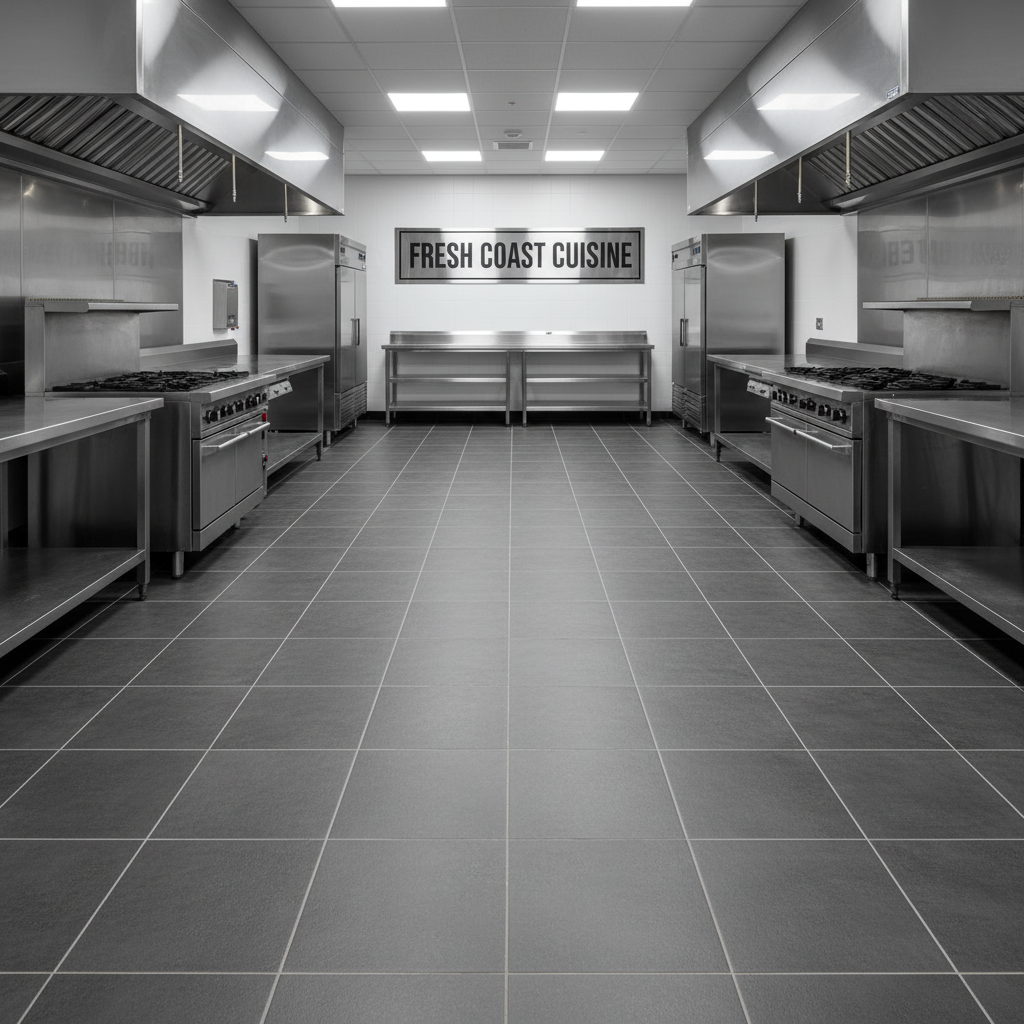
Deciding between tile vs vinyl plank flooring often comes down to the specific activity within a room. In Price and Helper, the main entry points of a home face significant abuse from seasonal changes. For mudrooms, laundry rooms, and primary entryways, porcelain or ceramic tile is the superior choice. These areas bear the brunt of melting snow, road salt, and the heavy grit common in Carbon County. A precise installation of tile creates a durable basin that prevents moisture from reaching the subfloor, ensuring that wet boots do not cause long term damage.
In living rooms, bedrooms, and finished basements, luxury vinyl plank is usually the more practical selection. The temperature in Carbon County drops significantly at night; LVP’s insulating properties provide a warmer surface for bare feet. For kitchens, LVP is often preferred over tile because it is more forgiving on the joints during long periods of standing and less likely to crack if a heavy cast iron skillet is dropped.
Room Type | Recommended Material | Primary Benefit for Utah Homes |
|---|---|---|
Mudrooms & Entries | Porcelain Tile | Resists salt, snow, and heavy grit abrasion. |
Bathrooms | Tile | Maximum waterproof protection for plumbing fixtures. |
Kitchens | Luxury Vinyl Plank | Impact resistance and comfort for standing. |
Basements | Luxury Vinyl Plank | Natural warmth and moisture resistance over concrete. |
Living Areas | Luxury Vinyl Plank | Soft underfoot and easier to maintain in dusty areas. |
Our team at Keiths Flooring provides residential and commercial flooring services that include expert transitions between these two materials. Properly joining a rigid tile entryway to a flexible LVP living space requires specific transition strips and subfloor height adjustments to prevent tripping hazards. You can see how we have successfully integrated these materials in our portfolio of local projects, ensuring a cohesive look and durable finish throughout the entire property.
Deciding between tile and vinyl plank involves weighing durability against comfort for your specific space. Both materials offer distinct benefits for Carbon County homes, so the right choice depends on your lifestyle and long-term goals. If you want expert help determining which material best suits your home, you can learn more about our team and how we guide our customers. We believe in providing the professional insight you need to feel confident in your investment; we are here to ensure your floors are a perfect fit.